
Review · THESSALONIKI
Thessaloniki: Vergina and Pella Day Trip
Pella and Vergina put the world of Philip II and Alexander the Great into physical form. You’ll see the capital of ancient Macedon, walk among exposed streets and mosaics, then enter a dark, atmospheric museum built around royal tombs packed with gold.
I like the clear mix of outdoor archaeology and excellent museums, and I like that guides such as Eva, Stelios, Eleni, and Lazaros bring real subject knowledge to the bus rides and site visits. The main drawback is time: Pella’s museum and site each get about an hour, and the extra €40 in entrance fees can make this feel less like a $58 tour and more like a $98 day out.
Key points to know before booking
- Pella’s ancient mosaics include the Abduction of Helen and Amazonomachy scenes.
- Vergina’s Royal Tombs Museum displays Philip II’s golden larnax, oak wreath, armor, and grave goods.
- The New Museum of Aigai adds sculptures, coins, weapons, pottery, jewelry, and royal burial finds.
- Transport is the real practical advantage, since Pella and Vergina are difficult to combine by public transport in one day.
- Pella is partly self-guided, so read the site plan and watch the clock during your visit.
- Lunch is at a traditional Greek tavern, but the meal is not included in the tour price.
Why Pella and Vergina matter
This is not simply a museum outing. It is a day spent following the rise of Macedon through its capital, royal burial grounds, military objects, court treasures, and everyday artifacts.
Pella was the capital of the Macedonian kingdom before the royal center shifted to Aigai, the ancient city now associated with Vergina. Philip II built Macedon into a major power. His son, Alexander, then used that power to conquer a huge part of the known world.
You do not need to arrive as an ancient-history expert. A good guide explains the family links, political setting, military system, and burial customs before you enter each place. That preparation matters because the museums contain many objects, and without context, it is easy to see gold, pottery, and weapons as separate displays rather than parts of one royal world.
The tour has a strong dramatic order. Pella begins with an open archaeological site and a modern museum. Vergina finishes with the royal tombs, where the objects are displayed in a low-lit building around the burial structures. The day moves from city life to royal ceremony and death.
More day trips around Greece:
- Athens: Cape Sounion & Poseidon Temple Sunset Half-Day Trip
★ 4.8 · 8,241 reviews - Athens: Meteora Monasteries Day Trip with Caves and Lunch
★ 4.7 · 4,670 reviews - Crete: Day Trip to Agios Nikolaos and Spinalonga Island
★ 4.6 · 4,416 reviews
Meeting at Aristotelous Square at 8:00
The bus leaves from the Venizelos Statue at the junction of Aristotelous Square and Egnatia Street. This is a central Thessaloniki meeting point, but do not treat the departure time casually. Because of road restrictions, the bus cannot wait for late arrivals.
The drive to Pella covers about 50 kilometers and takes roughly 45 minutes, though the full road schedule includes longer coach sections between the main stops. Transport is by an air-conditioned bus or minibus. Most of the feedback on the transport is strong, with praise for punctual departures, smooth driving, and effective air conditioning during hot summer days.
One practical caution: a taller passenger found the minibus seats tight. If you are tall or dislike long periods with limited legroom, keep that in mind. The longest rides are around an hour, and the schedule includes stops often enough that the bus never becomes the whole experience.
Your English-speaking guide provides historical background along the way. Guides named in the tour details include Eva, Stelios, Eleni, Yiannis, Lazaros, Konstantina, and Evaggelia. Their approach can vary, but the strongest part of the guiding is the clear introduction before each site, followed by time for you to look around independently.
Pella’s modern museum and ancient mosaics
The first major stop is the Archaeological Museum of Pella. Give it your full attention, even though the schedule allows about one hour.
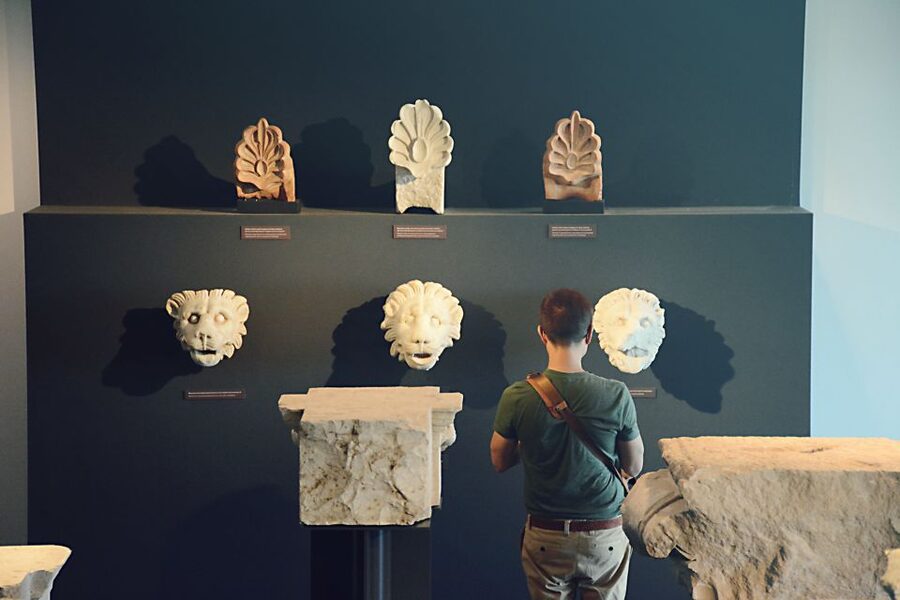
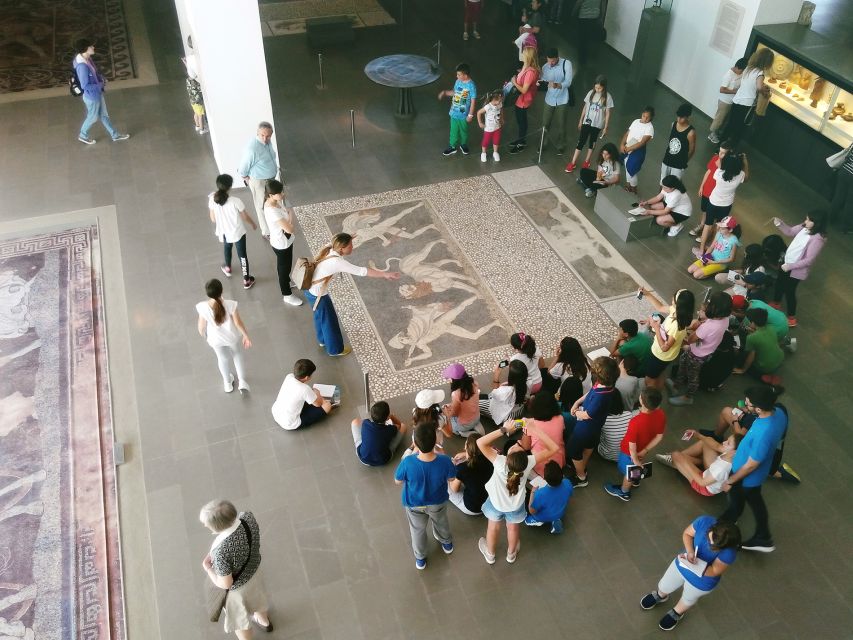
Pella’s museum helps you understand how people lived in the Macedonian capital. You’ll find objects connected with daily life, household activity, public spaces, and elite culture. The displays are modern and well arranged, which makes this a useful introduction before you walk through the ruins.
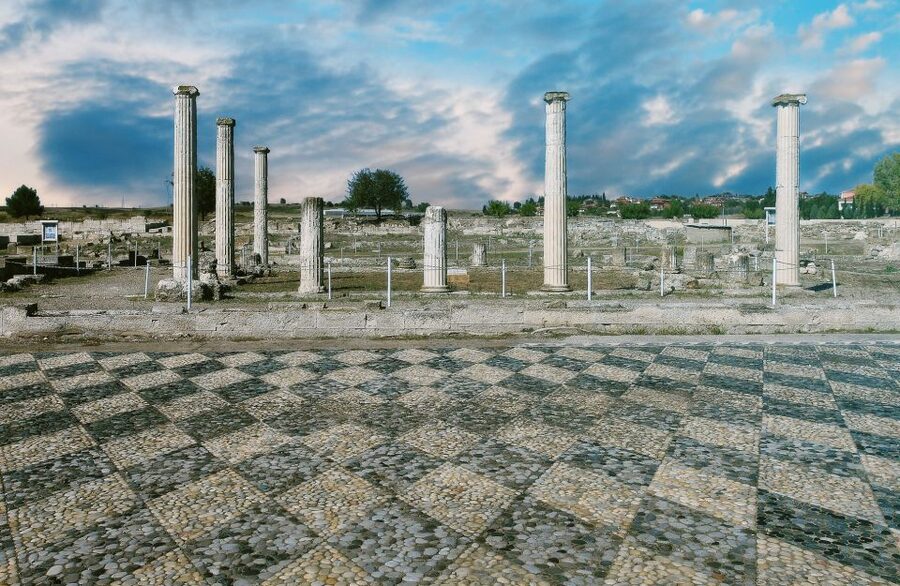
The famous mosaics are the stars. The Abduction of Helen and Amazonomachy scenes show the quality of decoration found in wealthy Macedonian homes. Their subjects are mythological, but they also tell you something about the people who commissioned them. These were not bare military camps. Pella was a sophisticated capital with money, artistic taste, and links to the wider Greek world.
One hour is enough to see the principal displays, but not enough for a leisurely reading of every panel. A smart tactic is to make one quick circuit first, then return to the objects that interest you most. You can also photograph longer text panels for later reading, provided photography is allowed in the relevant area.
Walking the archaeological site at Pella
After the museum, you spend about an hour at the archaeological site. This is where the scale of Pella becomes clearer, though the ruins are open and some areas may feel overgrown.
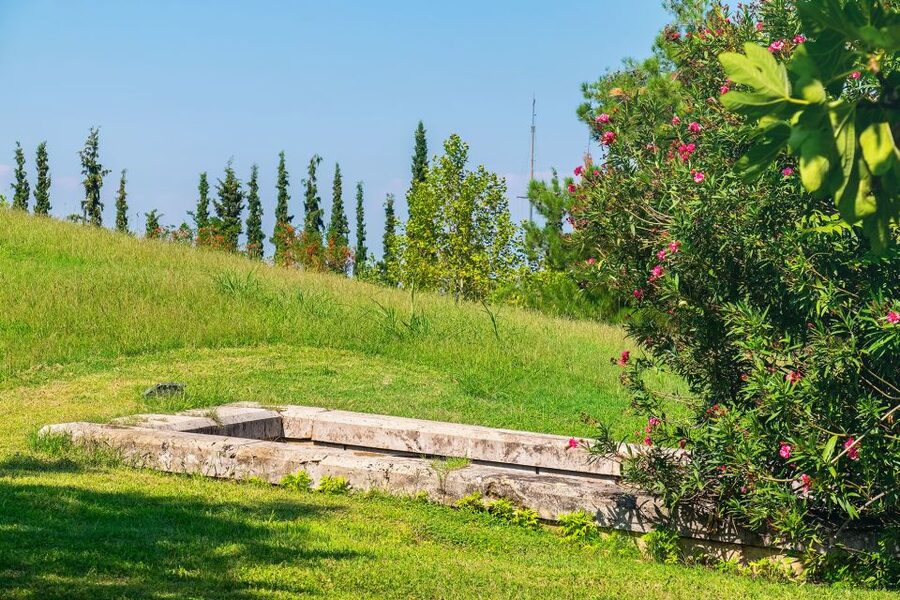
You’ll see the remains of streets, buildings, and the ancient market area. The mosaics are the central attraction, but the wider site gives you a sense of urban planning and public life. It is a different experience from the museum. Instead of polished objects under controlled lighting, you are looking at foundations and fragments under the open sky.
The drawback is the fixed schedule. Several people have found the Pella site interesting but wished for more time in the museum, while others would have preferred less time around the open-air remains. The best response is to plan your hour. Go directly to the sections you most want to see, then use any remaining time for a slower walk.
Pella is also the least dramatic stop visually. The royal tombs at Vergina deliver an immediate emotional punch, while Pella requires patience and imagination. I would not skip it. It supplies the city setting that makes the later royal collections easier to understand.
Same base, another direction out:
- Santorini: Luxury Catamaran Day Trip with Meal and Open Bar
★ 4.8 · 3,678 reviews - Santorini: Top Sights Day Trip, Wine Tasting, & Oia Sunset
★ 4.6 · 2,492 reviews - From Athens: Small-Group Delphi, Museum & Arachova Day Trip
★ 4.8 · 2,476 reviews - From Athens: Mycenae, Epidaurus & Nafplio Full Day Trip
★ 4.8 · 2,438 reviews
The Royal Tombs of Aigai at Vergina
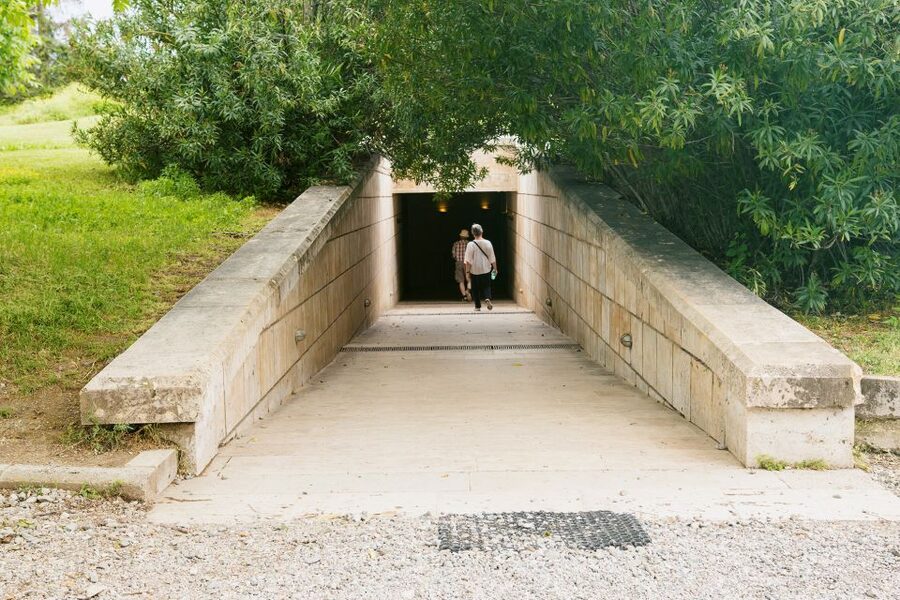
Vergina is the emotional center of the day. The Museum of the Royal Tombs of Aigai is built around the excavated tombs, and the interior is deliberately dark and quiet.
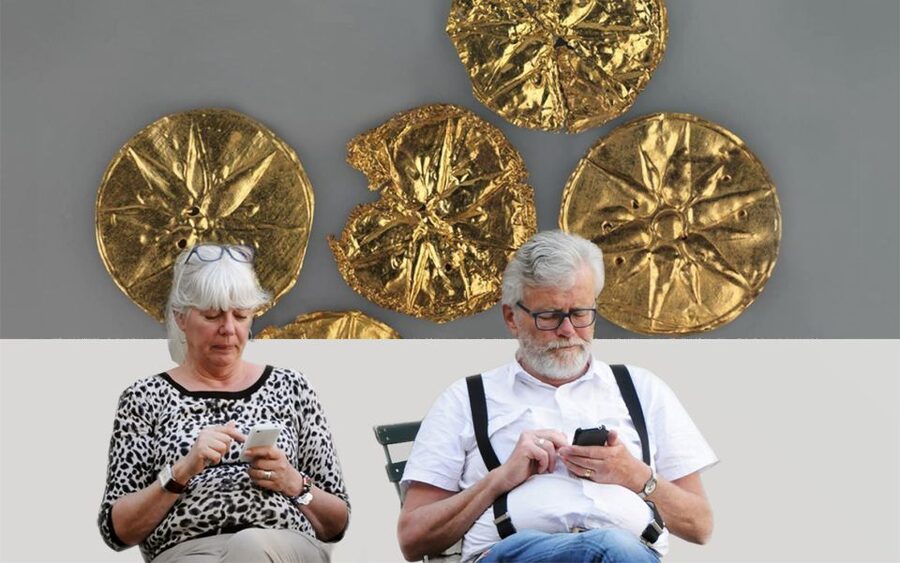
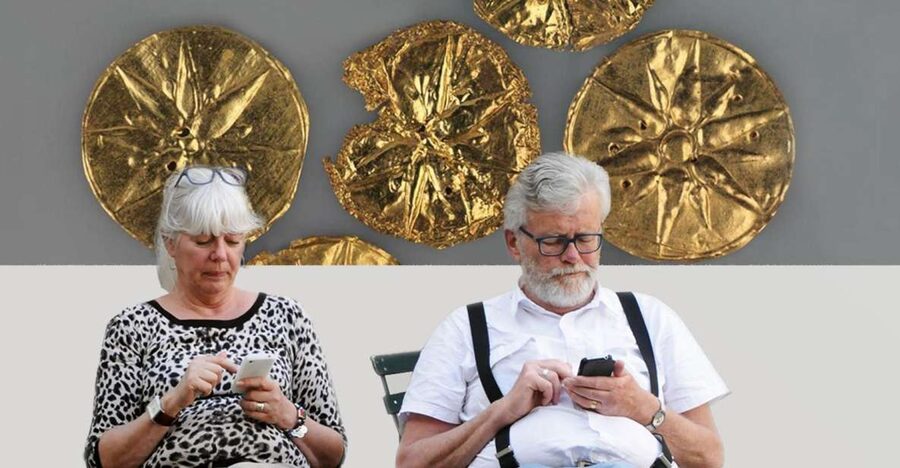
Here you’ll see the golden larnax, the chest associated with the cremated remains of Philip II. Its lid carries the sixteen-rayed sun, the symbol linked with the Macedonian royal house and later known as the Sun of Vergina. The display also includes the golden oak wreath associated with Philip’s funeral pyre.
The collection goes beyond gold. Military armor, grave goods, weapons, and objects from other tombs help you picture the status and ceremony of the people buried here. The helmets and armor connect the royal family to Macedon’s military power, while the jewelry and burial objects reveal the wealth of the court.
The atmosphere is part of the experience. The semi-darkness and the fact that the tombs remain at the center of the building make this feel different from a standard archaeological museum. You are not just looking at items removed from a site. You are seeing them in a setting designed around the burial complex itself.
You receive about 90 minutes here. That is enough to see the major displays, but you should keep moving if you want to read everything carefully. The tomb museum is compact in layout but dense in objects and information.
Lunch in Vergina, then the New Museum of Aigai
Lunch takes place at a traditional Greek restaurant in the Vergina area. It is not included, so carry cash and expect to pay separately. The stop lasts about an hour, and the quick service makes it possible to eat without worrying that lunch will derail the rest of the schedule.
This is a useful pause after the tomb museum. The day contains a lot of visual information, and sitting down for a proper meal gives you time to reset. Do not expect a long, leisurely taverna afternoon, though. This is a practical tour lunch, not a separate food experience.
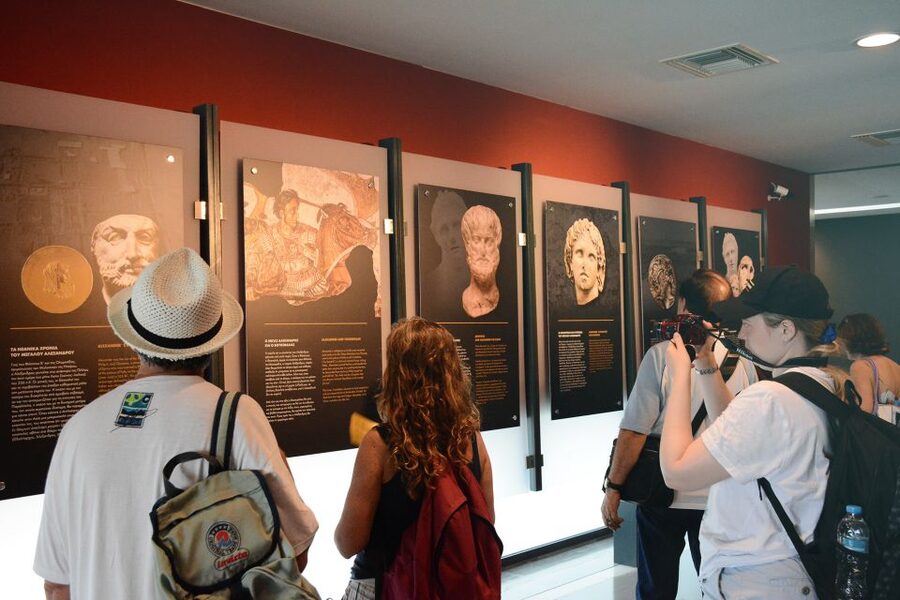
Afterward, you visit the New Museum of Aigai. This museum broadens the story beyond Philip’s tomb. A large portrait of Alexander greets you at the entrance, and the galleries bring together discoveries from the old Macedonian capital.
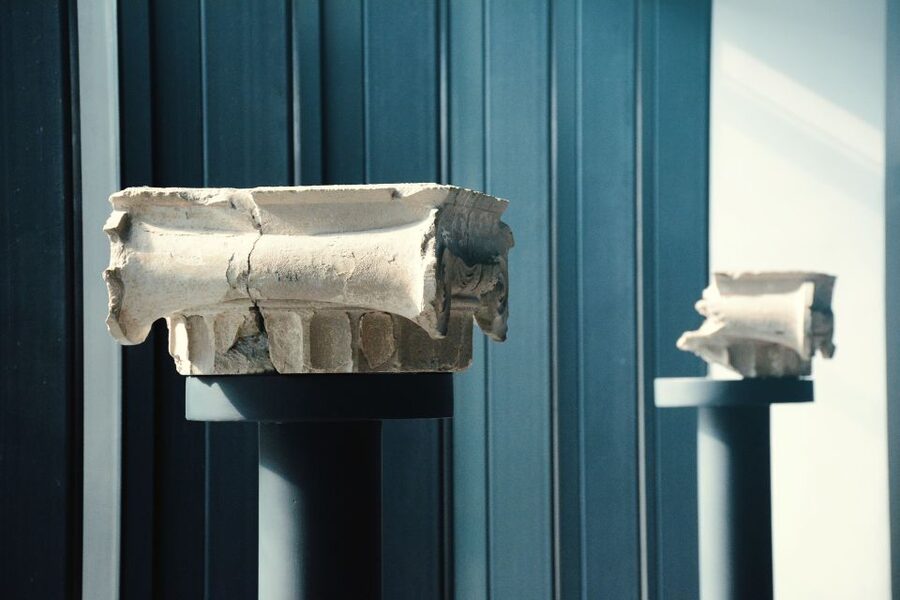
Look for monumental sculpture, high-quality painted pottery, banquet vessels used at aristocratic gatherings, and the long sárissa spears associated with the Macedonian phalanx. Helmets and other military equipment show how the army functioned, while jewelry and royal insignia from queen burials reveal the power and ceremony of the court women.
The temporary numismatic exhibition is another worthwhile feature. It includes coins from across the Hellenistic world, including coinage issued by Macedonian kings and by Alexander’s successors. Coins are small, but they are useful evidence of how far Macedonian political influence traveled.
This final museum is a strong reason to choose the full-day outing instead of visiting only the tombs. The tomb museum is more atmospheric, but Aigai gives you greater range. You see art, warfare, trade, burial customs, royal display, and daily objects in one place.
What the $58 price really covers
The advertised price is $58 per person. That includes round-trip air-conditioned transportation, basic travel transport insurance, and skip-the-line assistance at the sites. It does not include the entrance fees, lunch, or a guide inside each museum and archaeological area.
The stated entrance cost is €20 for Vergina and €20 for Pella, for a total of €40 at the full adult rate. That changes the calculation. With admission added, this is a significant day-trip purchase, especially before lunch and drinks.
Still, the value is reasonable if you care about ancient history. You are paying for a full day of transport between two distant archaeological areas, an English-speaking guide on the road and between visits, and a carefully timed schedule that would be hard to reproduce by local buses.
The value is weaker if you mainly want a relaxed day in the countryside or dislike fixed museum times. You may prefer arranging a private car or staying near Vergina if you want to explore the palace area and museums at a slower pace. This group tour is designed for coverage and convenience.
Skip-the-line assistance is included, but the tour does not include admission as a group package. You still need cash for tickets. Bring an ID or passport if you might qualify for a reduced or free rate. EU citizens under 25 can receive free admission with valid identification, as can non-EU citizens under 18. EU citizens aged 65 and over may receive reduced admission between October 1 and May 31. From June through October, the full ticket applies to seniors.
How to handle the tight schedule
The schedule is well paced for a day trip, but it is not generous. You have about one hour at the Pella museum, one hour at the archaeological site, 90 minutes at the royal tombs, and one hour for lunch before the New Museum of Aigai.
Wear good walking shoes. Sneakers are the safest choice because Pella includes outdoor paths and uneven archaeological ground. Strong sandals may work, but this is not a day for delicate footwear.
Carry water, especially from June through September. One past departure included bottled water, but you should not rely on that as a guaranteed inclusion. The air-conditioned bus helps between stops, but the Pella site can be hot and exposed.
Keep your belongings simple. You will be moving between bus, open site, and museums, and a small day bag is easier than a large suitcase. Most important, keep track of the meeting time. The bus cannot wait for late arrivals at the initial departure, and a fixed coach tour cannot hold the schedule for one slow museum visit.
Who should book this day trip?
I would choose this tour if you are staying in Thessaloniki and want to see the Macedonian sites without renting a car. It is especially good for people who want a clear historical framework, strong museums, and a mixture of guided explanation and independent viewing.
It suits first-time visitors to northern Greece, archaeology fans, and anyone interested in Philip II, Alexander, Macedonian warfare, ancient city planning, and royal burial customs. It also works well if you prefer to hear the essential background before exploring on your own.
You may want another option if you need wheelchair-specific details, require very spacious seating, or want long unhurried museum visits. The available information does not give detailed accessibility guidance, and the timetable leaves little room for delays.
The guide makes a large difference. Eva has been praised for her archaeology background and clear English, while Stelios, Eleni, Lazaros, Yiannis, and others have been noted for strong organization and engaging explanations. The exact guide is not guaranteed, but the tour is built around live English commentary rather than an audio recording.
Should you book Pella and Vergina from Thessaloniki?
Book it if the royal tombs are high on your Greece list. The golden larnax, oak wreath, armor, and burial displays at Vergina are the day’s major reward, while Pella gives you the city and artistic setting behind Macedon’s rise.
At $58, the transport and guiding are fairly priced, but remember the extra €40 in full-price admission and the separate lunch bill. Go in prepared, wear walking shoes, bring identification and cash, and accept that Pella will feel brisk.
For a convenient, history-heavy day from Thessaloniki, I would book it. If you want the freedom to linger over every label, explore the palace area, or take a long lunch, plan an overnight stay near Vergina instead.
FAQ
Where does the tour leave from?
The meeting point is at the Eleftherios Venizelos Statue at Aristotelous Square and Egnatia Street in Thessaloniki. Departure is at 8:00 a.m.
How long does the day trip last?
The stated duration is 8.5 hours, including transport, visits to Pella and Vergina, lunch, and the return to Thessaloniki.
Are entrance fees included?
No. The stated entrance fees are €20 for the Museum of Vergina and €20 for the Pella archaeological site and museum. Lunch is also separate.
Is a guide included?
An English-speaking live tour guide is included. The guide provides information during the journey and between visits, but there is no separate guide included inside the Pella and Vergina museums and archaeological sites.
What should I bring?
Bring a passport or ID card, cash for admission and lunch, and comfortable walking shoes. Identification is needed to qualify for any applicable reduced or free admission.
Can I cancel the booking?
You can cancel up to 24 hours in advance for a full refund. A reserve-now, pay-later option is also available.
New day trips around Greece
- Santorini: Guided Island Day Trip with Beach Visit★ 4.2 · 34 reviews
- Athens: Small-Group Day Trip Tour to Delphi★ 4.7 · 309 reviews
- Athens: Meteora Day Trip with Central Pickup & Audio Guide★ 4.6 · 394 reviews
- Athens: Sounio Poseidon Temple and Athenian Riviera Day Trip★ 5.0 · 173 reviews
- From Athens: Meteora Caves & Monasteries Day Trip by Train★ 4.8 · 468 reviews
- Athens: Guided Day Trip to Aegina Island with Swimming★ 4.8 · 203 reviews
- Athens: Ancient Corinth & Nafplio Full Day Trip with Swim★ 4.8 · 531 reviews
- Athens: Meteora Day Trip in Spanish with Live Guide & Lunch★ 4.6 · 26 reviews
Day Trips from Thessaloniki, compared.
From Thessaloniki: Pozar Thermal Baths and Edessa Day Trip
Read our review →
From Thessaloniki: Day Trip to Dion and Mount Olympus Park
Read our review →
This day trip also appears in