
Review · ATHENS
From Athens: Mycenae, Epidaurus & Nafplio Full Day Trip
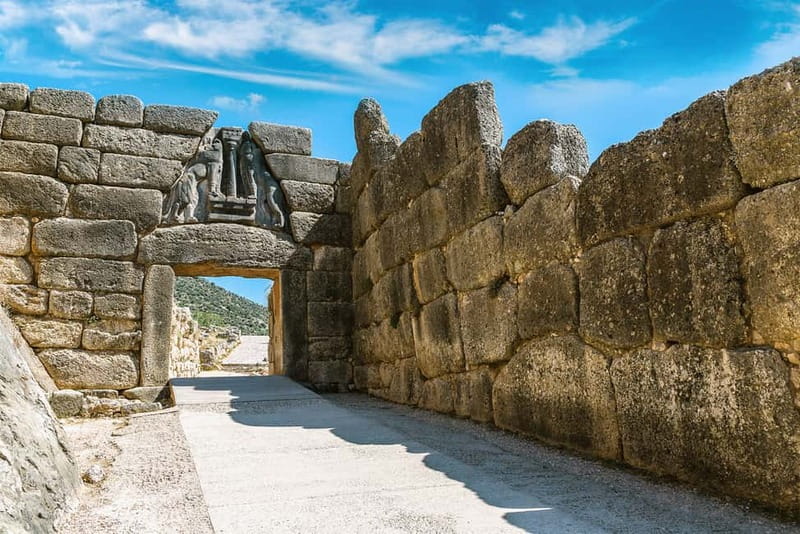
The grandest moment comes at Mycenae, where you pass through the Lion Gate and walk among the huge Cyclopean walls of Agamemnon’s Bronze Age kingdom. Later, the perfect acoustics of Epidaurus Theatre give the day a second big hit, while Nafplio adds a pleasant seaside break between the ruins.
I like the archaeologist guides, especially guides such as Vivian, Voula, Dimi, and Stavroula, who bring mythology and archaeology to life without filling every minute with a formal lecture. I also like the early arrival at Mycenae, which can help you see the Lion Gate before school groups and larger buses arrive. The drawback is a long day with limited time in Nafplio, plus €40 in archaeological site admission and lunch added to the low headline price.
Key points to know before booking
- Mycenae gives you the strongest sense of ancient power, with its Lion Gate, palace ruins, tombs, and museum.
- Epidaurus Theatre is the day’s acoustic marvel, and you have time to test its famous sound for yourself.
- Nafplio is a scenic one-hour pause, with a harbor, old streets, Venetian touches, and views toward Bourtzi.
- The bus leaves from Halandri Metro Station, not central Athens, but the station is about 20 minutes from Syntagma by metro.
- The guide explains the sites before you explore them, rather than leading a full tour inside each archaeological area.
- The $33.31 price is good transport value, but add €20 for Mycenae, €20 for Epidaurus, and money for lunch.
Why this day trip works so well
This is a long but well-shaped introduction to the northeastern Peloponnese. In about 10 hours, you see a Bronze Age citadel, a former Greek capital, a famous theater, and the Corinth Canal. Each stop feels different, so the day does not become one endless procession of broken stones.
The route also gives you more than archaeology. You get mountain views on the drive, a coffee and photo stop at the Corinth Canal, time beside the water in Nafplio, and a comfortable ride between the sites. That mix matters. After a morning among tombs and palace ruins, a harbor town and a good Greek lunch are welcome changes of pace.
The tour costs $33.31 per person, which is a strong price for roundtrip transportation, a full day on the road, an English-speaking archaeologist guide, basic travel insurance, and Wi-Fi advertised on the bus. The final cost is higher once you add the two €20 entrance fees and lunch, but it remains a practical choice if you want to cover these places without arranging a rental car or several separate buses.
More full days out around Athens:
- Athens: Ancient Corinth & Nafplio Full Day Trip with Swim
★ 4.8 · 531 reviews - Meteora Monasteries Private Full Day Trip From Athens
★ 5.0 · 360 reviews - From Munich: Neuschwanstein & Linderhof Castle Full-Day Trip
★ 4.6 · 14,646 reviews
Meeting at Halandri and getting on the road
The starting point is outside Halandri Metro Station on Athens’ Blue Line. Use the exit marked To Vrilissia and look for the trip attendant outside the station. From Syntagma, the metro ride takes about 20 minutes, so allow extra time to cross Athens and find the correct exit.
This pickup point sits outside the central tourist zone, but it has one useful advantage: the bus can get out of the city faster than a vehicle collecting people at several central hotels. Several people also appreciated the easy metro connection. The activity ends at the same Halandri meeting point.
The vehicle is a modern, air-conditioned bus with comfortable seats. Individual air-conditioning was praised, and the ride is especially useful on the two-hour return from Epidaurus. Wi-Fi is included in the advertised package, though it may not be available on every vehicle. Bring a charged phone, water, and comfortable shoes. The archaeological sites include uneven ground, steps, and exposed areas.
The Corinth Canal: a quick, worthwhile pause
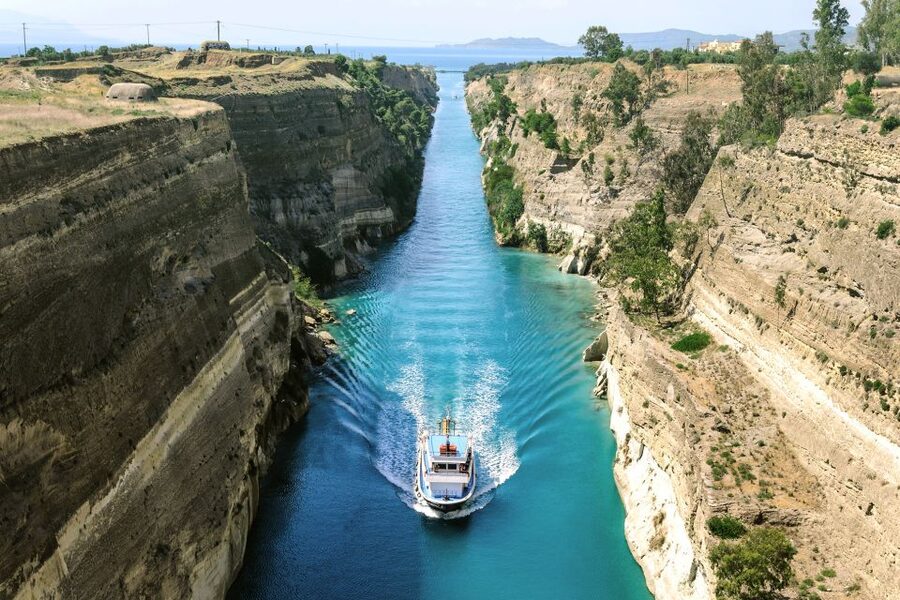
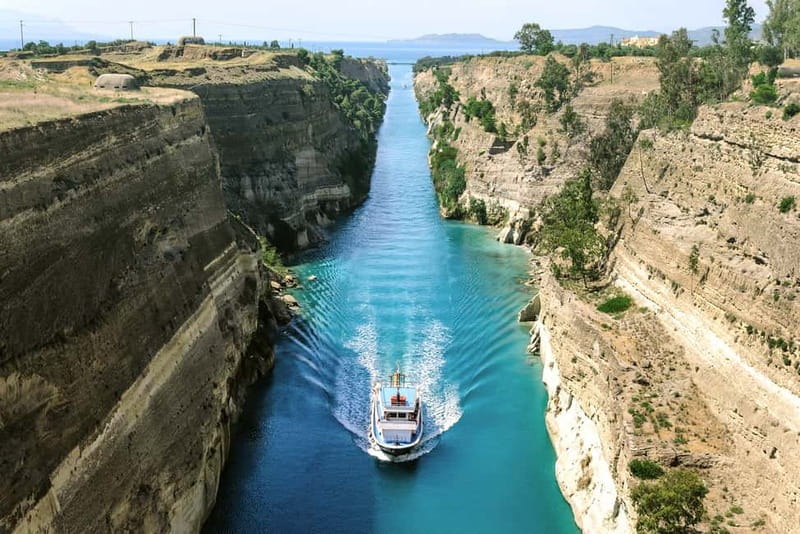
After roughly an hour on the bus, you stop at the Isthmus of Corinth for about 15 minutes. This is a short break for coffee, fresh air, and photographs from above the narrow canal.
Do not expect a full visit to ancient Corinth. This stop is about the modern canal and the dramatic cut through the land. If a vessel happens to pass while you are there, the view becomes much more memorable. Fifteen minutes is enough for a few photographs and a stretch of the legs, but not enough for a relaxed café stop.
The guide may also use this opening part of the journey to set up the story of the Peloponnese. That background helps the later ruins make more sense, particularly if you are not already familiar with Mycenaean culture or Greek mythology.
Mycenae and the Lion Gate
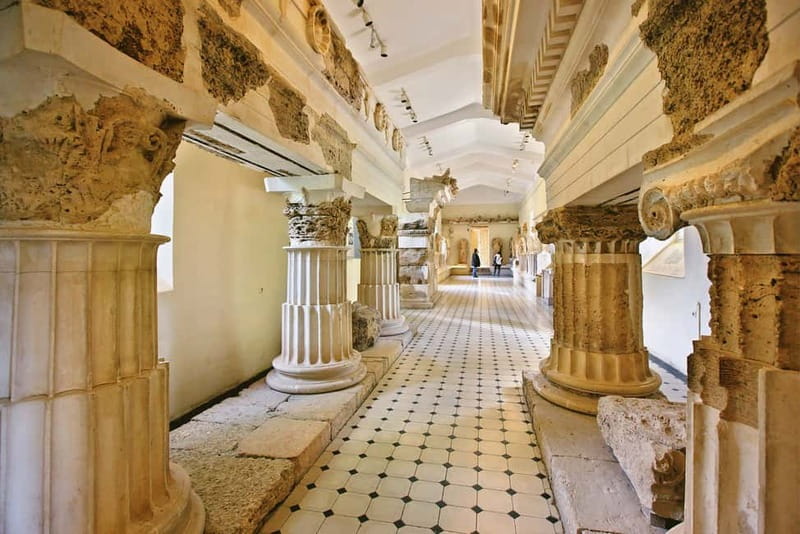
The bus continues for about 45 minutes before reaching the Archaeological Site of Mycenae. You have approximately 105 minutes here, normally with an introduction from the guide followed by time to explore independently.
Mycenae was a major kingdom in the later Bronze Age, around 1350 BC. The first sight is the huge circuit of Cyclopean walls, built from stones so large that later Greeks believed only the Cyclopes could have placed them. You enter through the Lion Gate, the most recognizable feature of the site. The carved beasts above the entrance are technically lionesses, though the monument is commonly known as the Lion Gate.
The site climbs over uneven ground, so sturdy shoes are more useful than stylish sandals. From the upper area, you can look across the countryside toward the surrounding mountains. The setting helps explain why Mycenae feels like a fortified royal center rather than a simple collection of ruins.
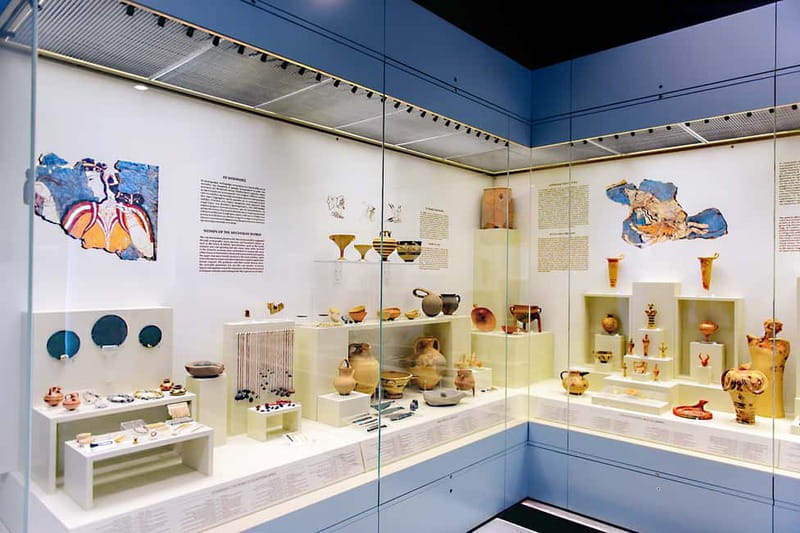
Inside, look for the remains of the palace complex and the museum. The museum displays objects connected with the site, including the famous gold funerary mask traditionally linked with Agamemnon. The traditional identification is disputed, and the mask displayed in Athens’ National Archaeological Museum is not necessarily the original object found by Heinrich Schliemann. Still, the connection between the site, Homeric legend, and the mask makes this stop especially compelling.
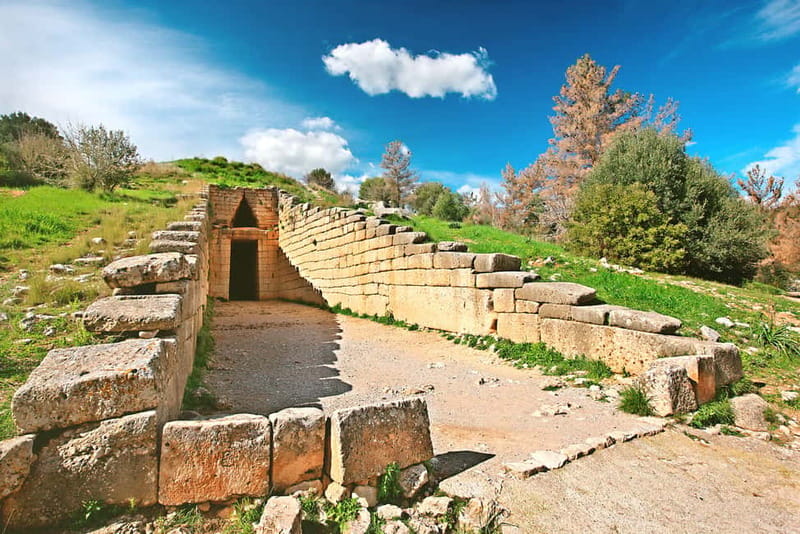
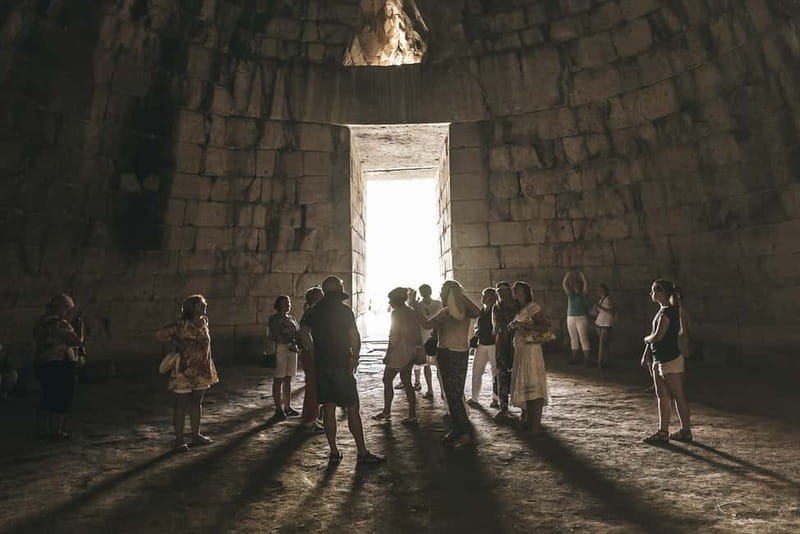
The tour also takes you to the Treasury of Atreus, often called Agamemnon’s Tomb, and the Tomb of Clytemnestra. The Treasury of Atreus is a large beehive-shaped tholos tomb with a tall stone entrance. Step inside and look up at the carefully built dome. It is one of the clearest places to appreciate the engineering skill of the Mycenaean builders.
The 105-minute visit is fairly well judged for a first look. You can see the key monuments without spending an entire day here, though anyone with a strong interest in Bronze Age archaeology may want more time. One useful tip is to move promptly at the start. The bus often reaches Mycenae before large school groups and other coaches, giving you a quieter period at the Lion Gate and museum.
Your guide does not provide a full guided walk inside the archaeological park. Instead, the archaeologist explains the main points before you set off, then you explore at your own pace. I find this format a good compromise: you receive context, but you can linger at the tombs or move quickly through the museum.
More day trips around Athens:
- Athens: Cape Sounion & Poseidon Temple Sunset Half-Day Trip
★ 4.8 · 8,241 reviews - Athens: Meteora Monasteries Day Trip with Caves and Lunch
★ 4.7 · 4,670 reviews - From Athens: Small-Group Delphi, Museum & Arachova Day Trip
★ 4.8 · 2,476 reviews - Delphi English Day Trip from Athens with Official Guide
★ 4.5 · 2,199 reviews
Nafplio: lunch, harbor views, and one hour to roam
A short 25-minute drive brings you to Nafplio, where you have an hour for lunch and another hour of free time. The town was once the capital of Greece before Athens, and its buildings reflect Venetian, Byzantine, Ottoman, and modern Greek influences.
This is the most relaxed stop of the day. Walk along the harbor, browse the central squares, and look out toward Bourtzi, the small fortress set in the water. Above town, Palamidi Castle rises on the hill, while Acronauplia forms another historic high point. You can admire both from below, but the entry fees and access to the fortresses are not included.
Two hours sounds generous, but it passes quickly if you want lunch and a proper walk. I would decide before arriving whether food or sightseeing matters more to you. A sit-down meal uses much of the first hour, while the second gives you time around the harbor and old center. You do not have enough time for a leisurely visit to every fortress.
Lunch is not included, which is helpful if you prefer choosing your own meal, but it also means the quality and price depend on where you stop. One weak point in the day can be a rushed or ordinary roadside-style meal, so use your free time to choose a place in the center rather than treating lunch as an afterthought.
Nafplio is also the stop where the guide could give more structure. A suggested walking route would help you decide between the harbor, old town, and hilltop fortresses. If you want to see Palamidi properly, check the timing before committing to the climb, since this excursion does not include a dedicated visit there.
Epidaurus Theatre and its famous acoustics
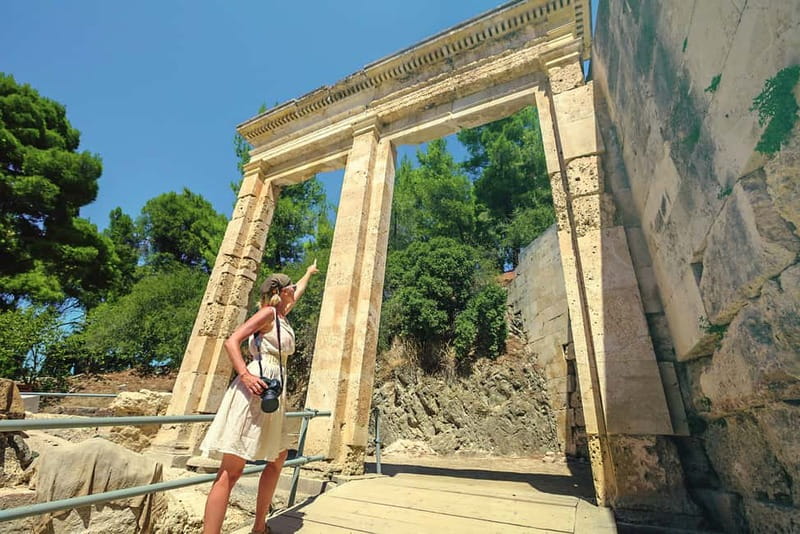
After Nafplio, the bus drives for about 25 minutes to Ancient Epidaurus. You have around 75 minutes for the site, which is enough to focus on the famous theater and see the main area without feeling hurried.
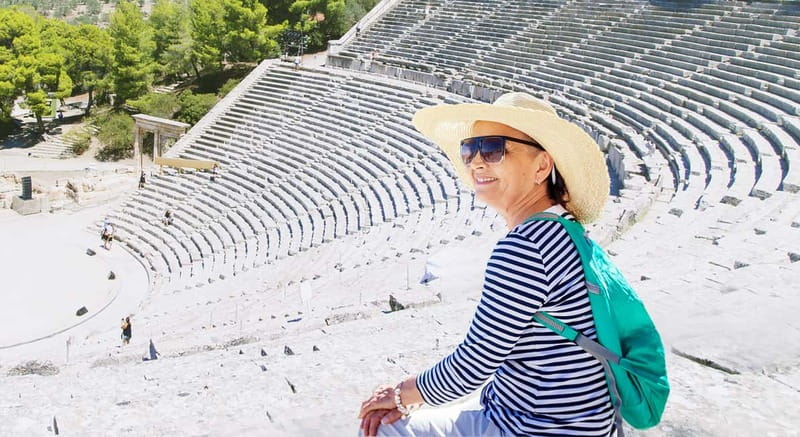
The Theater of Epidaurus is one of the best-preserved theaters of the ancient Greek world. Its design is the reason for its fame. Stand near the center of the orchestra and ask someone at the top rows to listen. A quiet voice or small sound can carry surprisingly well across the stone seating.
The theater still hosts the Festival of Epidaurus each summer, so this is not simply an abandoned monument. It remains linked to performance, sound, and public life. The scale is impressive, but the acoustics are the real reason to pay attention.
The 75-minute visit is generally enough for the theater and a self-guided look around. As at Mycenae, the guide provides information but does not lead a formal tour inside the archaeological grounds. That gives you space to take photographs, test the acoustics, and enjoy the site without being tied to a speech.
Epidaurus may be the highlight for you if ancient theater matters more than palace ruins. The broad seating bowl and surrounding countryside create a different mood from Mycenae’s heavy walls. Bring a hat and water in warm weather, since much of the visit is outdoors.
The two-hour ride back to Athens
The return journey takes about two hours. That is the longest uninterrupted bus ride of the day, and it follows a full schedule of walking and sightseeing. The comfortable, air-conditioned bus makes a real difference here.
The route back can be scenic, but there are no planned viewpoint stops listed after Epidaurus. If you want photographs from the road, keep your camera ready, but do not count on getting off for additional stops. Use the ride to rest, sort photographs, or listen to the guide if she continues discussing Greek history and mythology.
The standard return is to Halandri Metro Station. Several guides received especially warm praise for combining archaeology with humor and clear explanations. Vivian was repeatedly singled out for her passion and care, while Voula, Stavroula, Dimi, and George were also praised for making the long day engaging. Guide quality can vary by departure, but the archaeologist-led format is one of the strongest parts of this experience.
What the price includes, and what it does not

At $33.31, the base price is attractive for a 10-hour excursion. You are paying mainly for transport, coordination, and the guide. That is valuable when the three main sites are spread across the Peloponnese and public transport would make the same day difficult.
Budget for these additional costs:
- Mycenae archaeological site and museum: €20
- Ancient Epidaurus: €20
- Lunch in Nafplio
- Optional access to Bourtzi, Acronauplia, or Palamidi Castle
The entrance fees are a major part of the final cost, so compare the full total rather than judging the tour by the advertised price alone. Even with those additions, the package can make sense for a first visit because it removes the work of driving, parking, and timing the route.
The booking terms are flexible. You can cancel up to 24 hours before departure for a full refund, and the reserve-now, pay-later option helps if your Athens plans are still shifting.
Who should book this Peloponnese day trip?
I would choose this trip if you have only a few days in Athens and want to see beyond the city. It suits anyone interested in ancient Greek history, mythology, archaeology, photography, or traditional towns. It is also a good fit if you prefer a guide and driver but still want free time at the sites.
Families with older children may like the variety. The Lion Gate, tombs, theater, harbor, and canal give young minds several different things to look at. The full 10-hour schedule may be tiring for small children, especially with uneven walking areas and a late return.
You should think twice if you want an in-depth archaeological tour at each site. This is a broad one-day survey, not a specialist study visit. You should also reconsider it if Nafplio is your main goal, since two hours is enough for a taste but not for the hilltop castles and a slow town walk.
Should you book it?
Book this tour if you want maximum historical variety in one day and value a careful driver, an archaeologist guide, and simple transport from Athens. Mycenae and Epidaurus are the main reasons to go, while Nafplio gives your feet and imagination a welcome change of scenery.
Skip it if you dislike long bus days or want to set your own pace. For most first-time visitors, though, the route is well planned, the guides add real value, and the early arrival at Mycenae can make a busy archaeological site feel far more manageable.
FAQ
Where does the tour start?
It starts outside Halandri Metro Station on Athens’ Blue Line. Use the exit marked To Vrilissia and meet the trip attendant outside the station.
How long does the full-day trip last?
The activity lasts about 10 hours and returns to Halandri Metro Station.
Are the archaeological entrance fees included?
No. Entry to Mycenae costs €20, and entry to Ancient Epidaurus costs €20. Access to Bourtzi, Acronauplia, and Palamidi Castle is also not included.
Is lunch included?
No. You choose and pay for your own lunch during the Nafplio stop.
Is the tour guided inside Mycenae and Epidaurus?
The archaeologist guide provides explanations, but the visits inside the archaeological sites are self-guided rather than formal guided tours.
What language is the tour conducted in?
The live tour guide service is in English.
What should I bring?
Bring comfortable shoes for walking around the archaeological sites. The tour also includes outdoor stops and free time in Nafplio.
New day trips around Athens
- Athens: Small-Group Day Trip Tour to Delphi★ 4.7 · 309 reviews
- Athens: Meteora Day Trip with Central Pickup & Audio Guide★ 4.6 · 394 reviews
- Athens: Sounio Poseidon Temple and Athenian Riviera Day Trip★ 5.0 · 173 reviews
- Athens: Guided Day Trip to Aegina Island with Swimming★ 4.8 · 203 reviews
- From Athens: Meteora Caves & Monasteries Day Trip by Train★ 4.8 · 468 reviews
- Athens: Ancient Corinth & Nafplio Full Day Trip with Swim★ 4.8 · 531 reviews
- Athens: Meteora Day Trip in Spanish with Live Guide & Lunch★ 4.6 · 26 reviews
- Athens: Half Day Trip To Cape Sounio/Poseidon Temple Semi Private★ 5.0 · 131 reviews
Day Trips from Athens, compared.
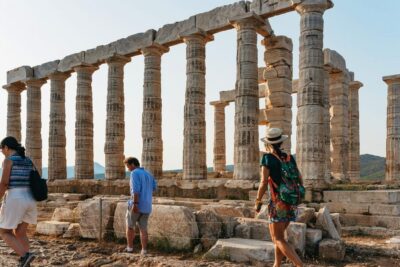
Athens: Cape Sounion & Poseidon Temple Sunset Half-Day Trip
Read our review →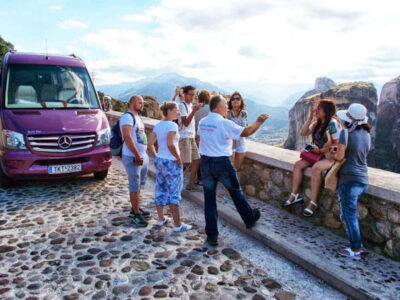
Athens: Meteora Monasteries Day Trip with Caves and Lunch
Read our review →
From Athens: Small-Group Delphi, Museum & Arachova Day Trip
Read our review →
Delphi English Day Trip from Athens with Official Guide
Read our review →
Athens: Meteora Monasteries, Caves & Coastal Stopovers with Lunch
Read our review →
Athens: Peloponnese Highlights Day Trip and V.R. Audio Guide
Read our review →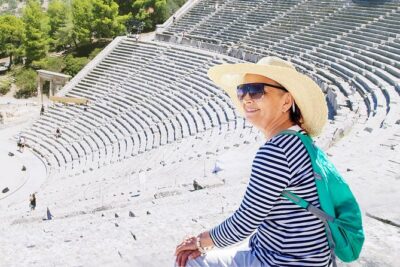
Athens: Ancient Corinth & Nafplio Full Day Trip with Swim
Read our review →
Athens: Meteora Day Trip with Central Pickup & Audio Guide
Read our review →This day trip also appears in