
Review · MUNICH
From Munich: Dachau Memorial Site Half-Day Trip
Dachau is not a sightseeing stop in the usual sense. It is a place of memory, education, and painful truth, and this five-hour guided visit gives you a clear way to approach it. You will travel from Munich by train and bus, then spend about three hours at the memorial site with an English-speaking guide.
I like two things here: the guides are trained and authorized by the memorial, and the tour gives you the basic structure you need to understand the grounds. I also like the mix of guided explanation, original buildings, museum displays, and an English-language documentary.
The main drawback is the pace. Three hours is enough for a serious introduction, but not enough to read every panel or study every display. The site is also mostly outdoors, so cold, rain, or strong sun can make an already heavy visit more demanding.
Key points to know before you go
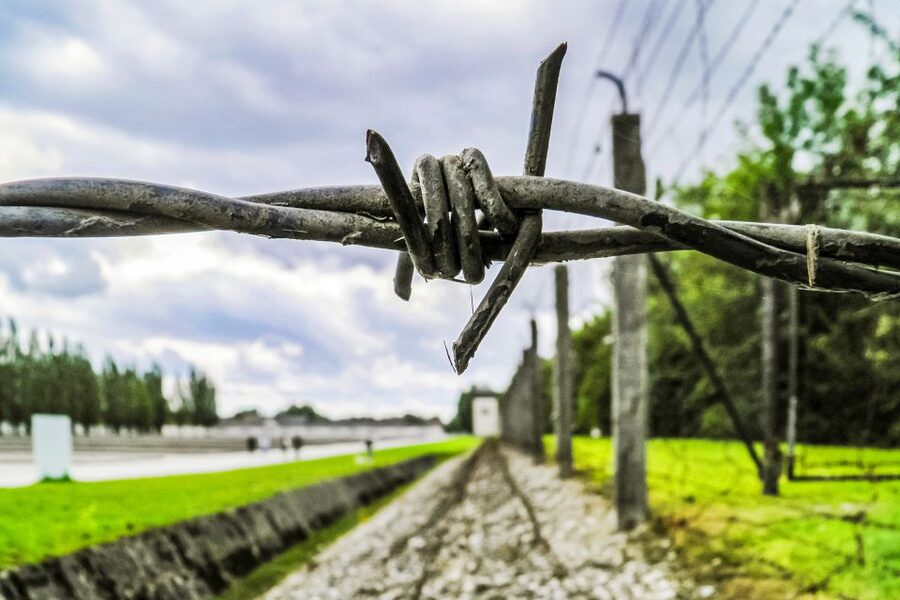
- Train and bus from central Munich: The group meets at Radius Tours, then travels by public transport to the memorial.
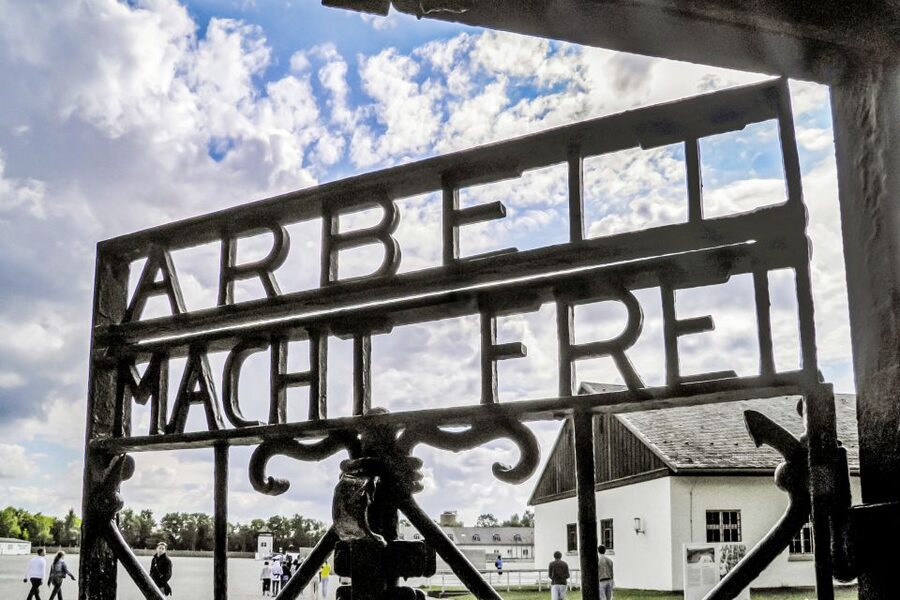
- About three hours on site: You see the surviving buildings, museum exhibition, cinema, prison, barracks, and crematorium area.
- English-speaking, memorial-authorized guides: Guides such as Nick, Patricia, Jake, Ian, and Scott are praised for clear pacing and respectful delivery.
- A serious and emotionally difficult visit: The subject matter calls for quiet, dignified behavior and may not suit children under 13.
- Bring your own refreshments: No food or drink can be bought inside the memorial grounds.
- Good value for first-time visitors: At $62, the price pays for transport, organization, and historical guidance, though independent visitors can spend less.
Why a guide helps at Dachau
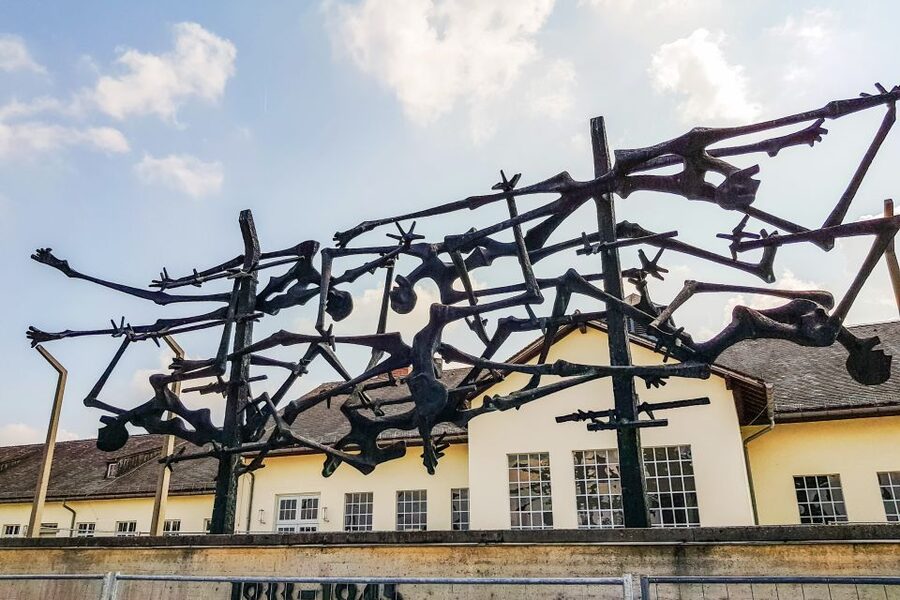
Dachau can be visited independently, but the first visit is easier when someone explains what you are seeing and why it matters. The memorial site is large, open, and filled with material that can be hard to take in without a clear order.
A trained guide gives you that order. You begin with the wider setting, then move through the surviving buildings and museum areas. The guide explains the workings of the former concentration camp, shares accounts of terror and resistance, and connects the physical remains to the people who lived and died there.
I like that the guiding style is not built around shock. The strongest guides, including Nick, Patricia, Jake, Ian, Emmet, and Scott, are praised for presenting brutal material with care rather than graphic detail. That matters here. The purpose is understanding and remembrance, not spectacle.
The best guides also leave room for silence. Several tour arrangements include time to walk and reflect without a running commentary. That pause is important because Dachau is not a place where you need constant narration. Some moments should simply be quiet.
More half days out around the world:
- Athens: Cape Sounion & Poseidon Temple Sunset Half-Day Trip
★ 4.8 · 8,241 reviews - From Nice: Eze, Monaco, & Monte-Carlo Half-Day Trip
★ 4.5 · 5,642 reviews - From Paris: Giverny, Monet’s Home & Gardens Half-Day Trip
★ 4.5 · 2,887 reviews
From Radius Tours to Dachau by train and bus
The day begins at the Radius Tours office in Munich. From there, your guide organizes the journey by train and local bus. The outward trip takes about 30 minutes, followed by the return journey after the visit.
This transport plan is practical, but it is worth knowing in advance that you are not riding in a private coach. You will use German public transport, and one person specifically noted that the bus felt crowded. At busy times, keeping a group together at the station can also take effort.
The benefit is that your guide handles the route and keeps you moving. If you are not familiar with Munich’s trains and buses, this removes a layer of stress. You do not need to work out the connection to Dachau or find the memorial entrance alone.
Pay attention during transfers. Stay close to the guide, especially at the station on the return trip. A large group can spread across platforms, and it helps to know the guide’s appearance or meeting signal before the group boards.
The public transport element also keeps the trip grounded. You are not sealed away in a tour vehicle. You make the same sort of local journey that an independent visitor would make, with someone there to manage the practical details.
Entering the memorial site
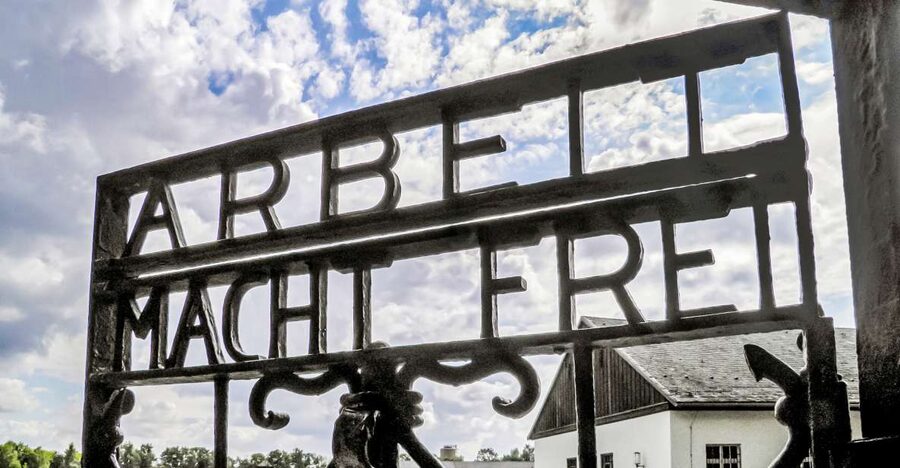
Once you reach Dachau Memorial Site, the mood changes quickly. This is an open and exposed place, and much of the tour takes place outside. The broad grounds, surviving structures, and memorial spaces require walking at a steady pace.
The tour lasts about three hours at the site. That is a useful amount of time for a structured introduction, but you should not expect to examine every exhibit at length. If you read every panel carefully, you may feel rushed. One visitor wanted another 30 to 60 minutes at the end, while another noted that the full exhibition could take several additional hours to read.
That is the central choice with this tour. You get a guided framework and see the key areas, but you give up some freedom to set your own pace. For a first visit during a short stay in Munich, I think that trade is sensible. If you already know the site well or want to study every document, independent time may suit you better.
The walking is mostly flat, though one visitor estimated roughly 6,000 to 7,000 steps. Comfortable shoes are a good idea. The route is not presented as a strenuous hike, but the distance, weather, and emotional weight can all wear you down.
Barracks, prison, crematorium, and surviving buildings
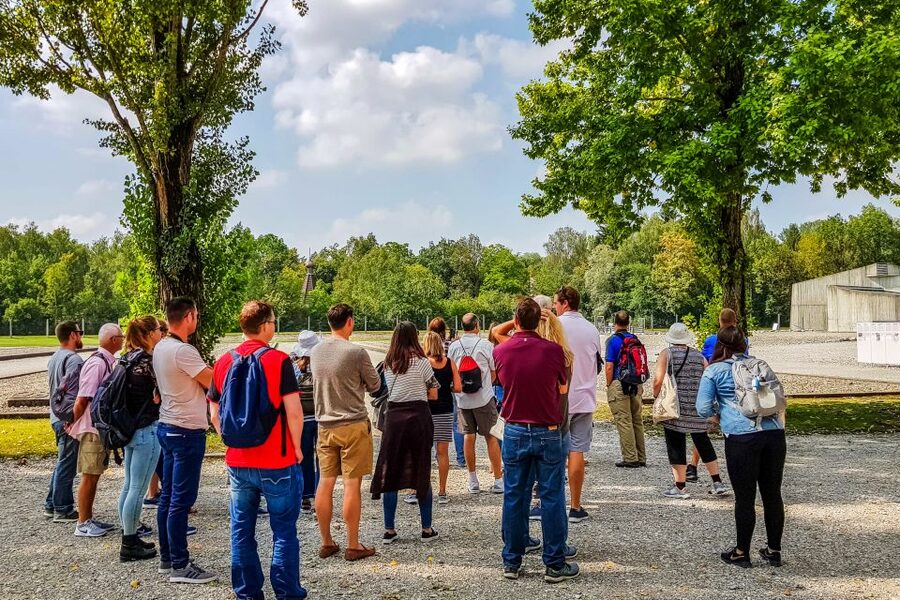
The tour covers the surviving original buildings and the main areas of the memorial. You will see the barracks, prison, and crematorium area, along with other parts of the former camp complex.
These places are difficult because the buildings make the past more immediate. A museum panel is one thing. Walking through an original structure, then hearing what it meant to the people confined there, is another.
Your guide provides the setting for each stop. That helps you understand the site as a functioning system rather than a collection of isolated rooms. The explanations cover daily life, control, punishment, and the conditions faced by prisoners, while also addressing resistance and the wider events that shaped the camp.
The tone varies by guide. Jake has been praised for using personal family connections and for balancing seriousness with a small amount of appropriate warmth. Connie has used meaningful words from survivors and victims to give the tour a human focus. Eric has been praised for telling stories that help you picture what life was like without relying on graphic description.
You should expect difficult material. This is not softened into a pleasant historical outing, nor should it be. Still, the guide’s job is to make the information clear and respectful so you can think about it rather than simply feel overwhelmed.
More day trips around the world:
- Tuscany Day Trip from Florence: Siena, San Gimignano, Pisa and Lunch at a Winery
★ 5.0 · 21,634 reviews - From Amsterdam: Zaanse Schans, Volendam & Marken Day Trip
★ 4.4 · 18,501 reviews - From Munich: Neuschwanstein & Linderhof Castle Full-Day Trip
★ 4.6 · 14,646 reviews - Lisbon: Pena Palace, Sintra, Cabo da Roca, & Cascais Daytrip
★ 4.7 · 9,981 reviews
The museum exhibition and English documentary
The modern museum exhibition adds written records, images, and historical explanation to what you see outdoors. It is where the visit becomes more than a walk around preserved buildings.
You will also watch an English-language documentary in the cinema. This is useful if you want a clearer account of the camp’s history before or during your visit. The film gives a shared point of reference for the group and adds material that cannot be shown through the buildings alone.
Do not assume you will have time to read every museum panel. The guided tour moves through the site as a group, and the three-hour visit includes several major areas. If a particular display matters to you, note its location and return to it if the schedule allows.
This is also where the tour can feel rushed. One guide may leave more independent time than another, and group size affects how quickly everyone moves. Catherine described the pace as a little fast, while another visitor appreciated having about an hour to explore alone. Your actual free time can depend on the day, guide, and group.
I would treat the guided portion as a first layer. Listen closely, absorb the main structure, and use any free time for the displays that speak most directly to you.
The guides make the biggest difference
Guide quality is the strongest part of this experience. The most repeated praise centers on clear explanations, careful pacing, and respect for the subject.
Nick is often praised for balancing historical context with detailed information, then allowing the group to form its own response. Patricia is described as organized, considerate, and especially good at pacing the group through a difficult visit. Jake is praised for personal attention, clear storytelling, and making a point of getting to know people in the group.
Ian, Scott, Steve, Keith, Emmet, Achim, Connie, and others have also received strong praise for their command of the material and their calm manner. This is not a standard script delivered without feeling. The individual guide shapes the tone, and the best ones respond to the group’s questions without turning the visit into a performance.
A useful point is that the guides do not all handle free time in exactly the same way. Some keep the group closely together for most of the visit. Others provide more time to walk alone and think. If you want extra time for the museum, tell your guide early and make your priority clear.
The guides are not simply there to recite dates. They help you navigate the transport, keep the group together, explain the site, and answer questions. That combination is the main reason to pay for the tour rather than making the trip alone.
Weather, food, clothing, and the emotional load
Bring food and drinks with you. Nothing can be purchased inside the memorial grounds, so do not rely on finding a café once the tour begins. A small packed meal or snack and water will make the five-hour outing easier.
Dress for the forecast, but think beyond temperature. Most of the visit is outdoors in an open setting. In winter, cold can become a real issue, as one visitor discovered on a freezing day. In warm weather, sun and exposure can be tiring. Rain gear, layers, and comfortable shoes are practical choices.
The site asks for dignified behavior. That means quiet voices, respectful conduct, and care around the memorial spaces. The material can be upsetting, and some visual displays may call for parental judgment.
Children under 13 are not considered suitable for this activity. That restriction makes sense given the subject and the way the museum and documentary address it. Older teenagers may still need a conversation before booking, since age alone does not determine how someone will respond.
Plan a little emotional space after the tour. You return to Munich after the memorial visit, but the subject does not switch off the moment you leave. If possible, avoid placing another demanding attraction immediately afterward.
Is $62 a fair price?
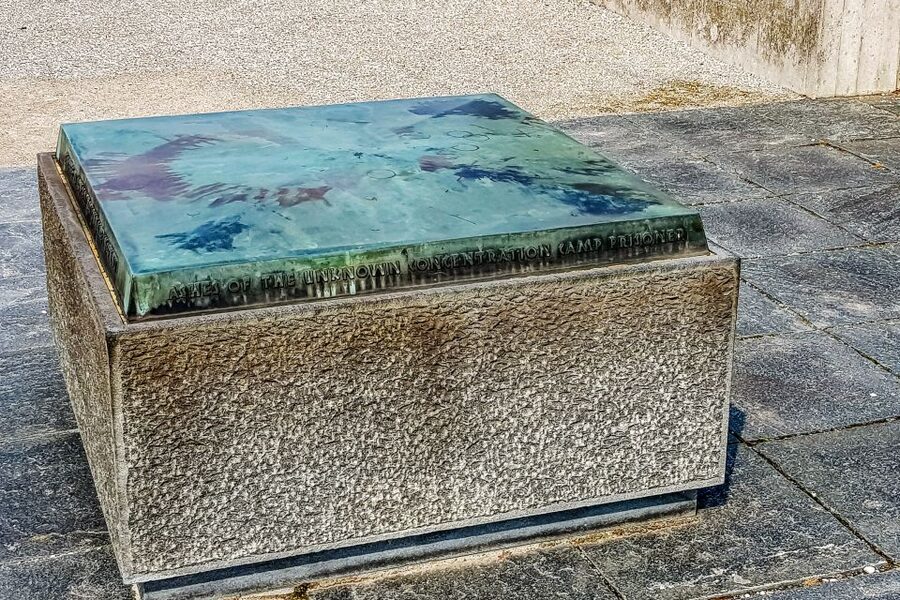
The listed cost is $62 per person. You are paying for the guide, the train and bus transport, the organization of the route, and the explanations at the memorial.
An independent visit can cost less, especially if you already know Munich’s transport system and feel comfortable finding your way around Dachau. One person felt the guided option was overpriced and preferred the idea of going alone. That is a fair criticism for budget-minded visitors.
Still, the tour offers real value if this is your first visit. The guide helps you use limited time well, gives context to the surviving buildings, handles the route, and answers questions. You also avoid arriving without knowing what to look for or how to organize a large site into a meaningful visit.
I would book it if you have only half a day, want English guidance, or prefer a structured introduction. I would consider going independently if you want several hours to read every exhibit, move slowly, or return to particular parts of the museum.
The free cancellation up to 24 hours before departure and the reserve-now, pay-later option add flexibility. They do not change the nature of the visit, but they are useful when Munich plans are still shifting.
Who should book this Dachau tour?
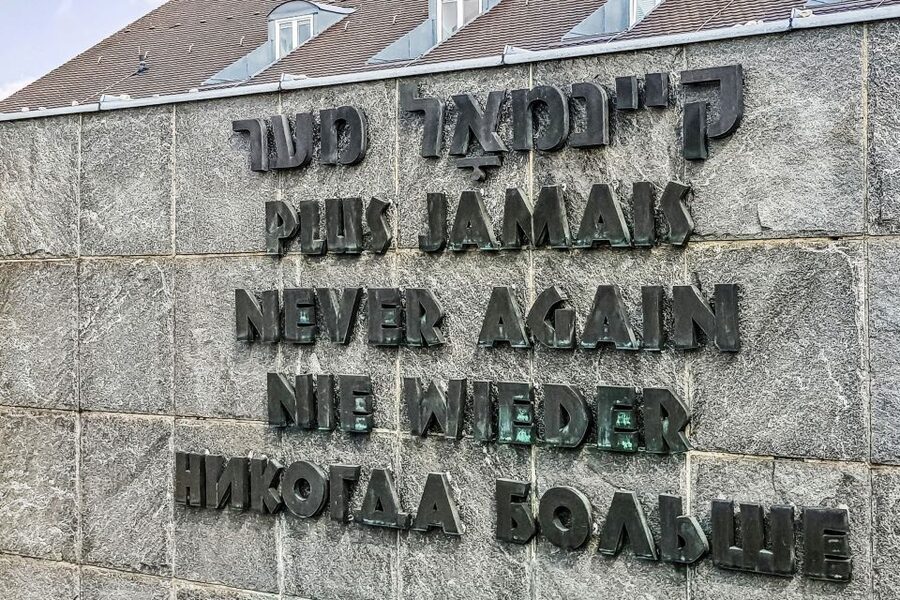
This tour suits you if you want a serious, guided introduction to Dachau without giving up an entire day in Munich. It is especially useful for first-time visitors who do not want to manage the train and bus route alone.
It also suits you if you want a guide who can explain difficult material without sensationalism. The strongest guides create a clear path through the site, answer questions, and know when to stop talking.
You may prefer another arrangement if your main goal is detailed research. Three hours at the memorial is enough to see a great deal, but not enough to read every display at leisure. An independent visit could give you more control over the pace, though you would handle the transport and interpretation yourself.
Should you book it?
Book this Dachau Memorial Site half-day trip if you value a thoughtful guide, simple transport, and a clear introduction to a difficult place. The $62 price is reasonable for that combination, especially during a short Munich stay.
Go independently if keeping costs low matters most or if you want a long, quiet reading session in the museum. Either way, approach Dachau with time, respect, suitable clothing, and no expectation of a light afternoon out. This is a serious visit, but a carefully guided one can help you understand what you are seeing and why remembering it matters.
FAQ
How long does the Dachau Memorial Site tour take?
The full activity lasts about five hours. The journey from Munich takes roughly 30 minutes each way, and the guided visit at the memorial site lasts about three hours.
Where does the tour begin?
You meet at the Radius Tours office in Munich. Hotel pickup and drop-off are not included.
How do I get to Dachau Memorial Site?
The group travels from Munich by train and then local bus. The guide organizes and leads the public transport journey.
Is the tour conducted in English?
Yes. The live guide and documentary film are in English.
Is food available at the memorial site?
No food or drink can be purchased within the memorial grounds. Bring your own refreshments.
What should I wear?
Wear weather-appropriate clothing and comfortable shoes. Much of the tour takes place outdoors in an open, exposed setting.
Is the tour suitable for children?
The activity is not suitable for children under 13. Some of the information and visual material may also require parental discretion for older minors.
New day trips around the world
- Beijing: Badaling Ancient Great Wall of China Day Trips★ 4.8 · 208 reviews
- Barcelona: Montserrat Monastery and Natural Park Day Trip★ 4.6 · 755 reviews
- Bari: Alberobello and Polignano a Mare Half-Day Trip★ 4.8 · 37 reviews
- Bari: Matera Day Trip★ 4.6 · 65 reviews
- Bangkok: Maeklong Railway & Amphawa Floating Market Day Trip★ 4.3 · 675 reviews
- Barcelona: Walking and Horse Riding Day-Trip in Montserrat★ 4.8 · 40 reviews
- Montserrat & Cava Wineries Day Trip from Barcelona w/ Pickup★ 4.6 · 218 reviews
- Bali: Ubud Waterfall, Village and Pool Club Day Trip★ 4.7 · 45 reviews
Day Trips from Munich, compared.

From Munich: Neuschwanstein & Linderhof Castle Full-Day Trip
Read our review →
Salzburg Sightseeing Day Trip from Munich by Rail
Read our review →
This day trip also appears in