
Review · KRAKOW
From Krakow: Auschwitz-Birkenau Camp Complex Guided Day Trip
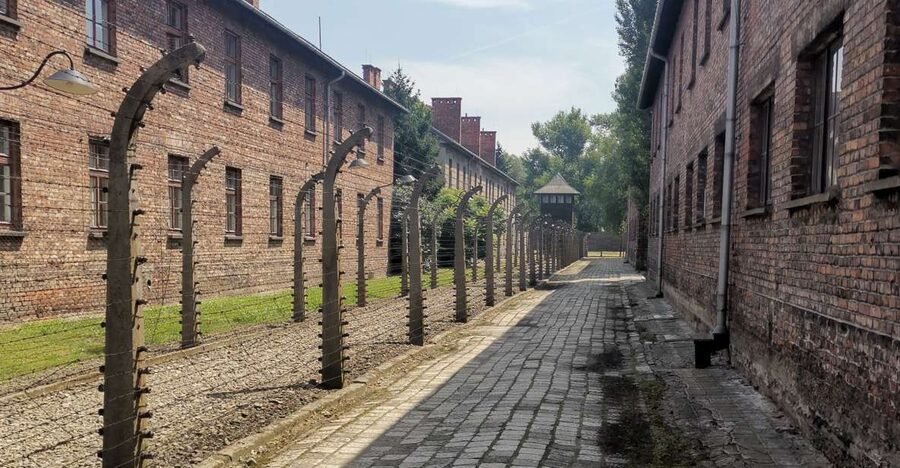
Auschwitz and Birkenau are not ordinary sightseeing stops. You come here to face the human cost of the Holocaust through the places, objects, and documents left behind. The most powerful moments are often small ones: a room filled with shoes, a suitcase bearing a name, or a line of barracks stretching across Birkenau.
I like the Italian-speaking guidance, which gives the history a clear thread instead of leaving you to piece it together alone. I also like the early departure option, reported at 6 a.m., because arriving among the first visitors can mean less waiting and a quieter start. The main consideration is the pace: seven hours includes the drive from Krakow, both camp sites, and the return trip, so this is a serious, emotionally heavy day.
Key points to know before booking
- The tour covers Auschwitz and Birkenau, including prisoner blocks, camp artifacts, memorials, gas chambers, and crematoria.
- Italian is the tour language, with an optional Italian audio guide available.
- Private transportation and entry tickets are included, so you do not need to arrange the long transfer from Krakow yourself.
- A 6 a.m. departure may help you avoid lines, though the exact start time is sent by WhatsApp the day before.
- Bring an ID and comfortable shoes, and leave large luggage, food, smoking materials, and pets behind.
- The price is about $83 per person, a fair rate for transport, admission, a guide, and on-site assistance.
Why this day trip matters
Auschwitz-Birkenau is one of the places that has shaped how the modern world understands genocide, state violence, and the Holocaust. A visit cannot recreate what happened here, and it should not try to. Its value is in helping you confront the evidence in the actual setting where people were imprisoned, transported, starved, forced to work, and murdered.
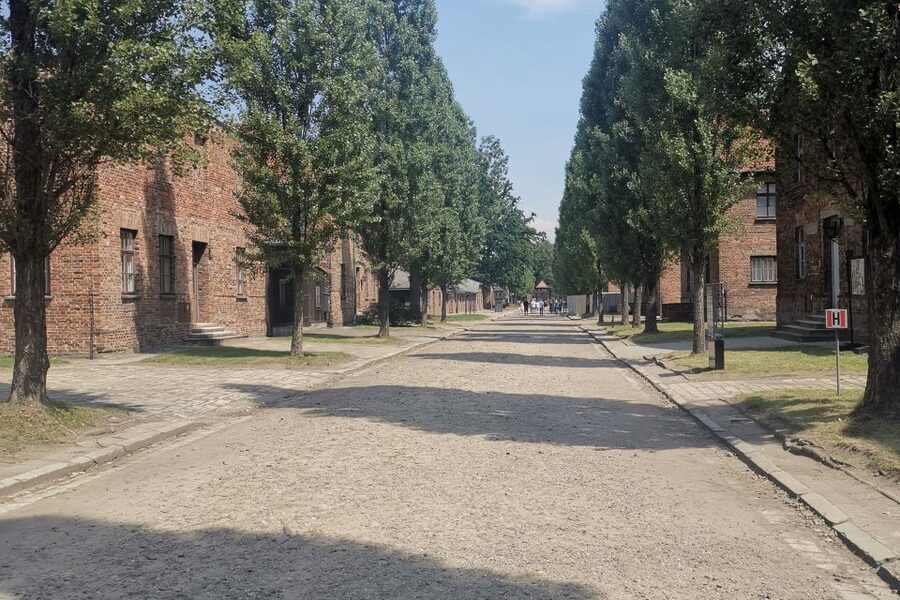
The visit is also more useful with a guide than without one. The camp grounds can look stark and strangely simple at first: brick blocks, wooden barracks, fences, roads, and open fields. The guide explains what each part was for and helps you connect the buildings to the lives of the people who passed through them.
You should expect a quiet, solemn day rather than a typical tour. There is no light entertainment, no scenic reward, and no easy way to leave feeling cheerful. That is part of the point. Come ready to listen and to give the site your full attention.
More guided days out around the world:
- From Brussels: Guided Day Trip to Bruges and Ghent
★ 4.6 · 8,353 reviews - From Madrid: Guided Day Trip to Toledo by Bus
★ 4.1 · 5,280 reviews - Montserrat, Girona & Costa Brava Guided Day Trip from Barcelona
★ 5.0 · 5,128 reviews
Leaving Krakow for the former camp
The journey begins with pickup in Krakow. The drive to the former main camp is about 45 kilometers, though the full outing lasts roughly seven hours because it includes both sites, the guided visits, and the return to the city.
The pickup system is practical. You receive a photo of the vehicle the day before, along with its location and name. The exact departure time is sent through WhatsApp by 6:30 p.m. on the previous evening. On the morning of the trip, the driver calls to check that everyone is present and may call again if someone is late.
That extra communication matters for a tour with a fixed entry schedule. You are not left guessing which vehicle to board or where to wait. Still, you should keep your phone charged and check WhatsApp the night before, since the exact departure time is not fixed in the details provided when you book.
The transport is described as a comfortable tourist bus, and private transportation is included. This is one reason the $83 price makes sense. You are paying not only for admission, but also for the Krakow transfer, a guide, and help at the site.
Entering Auschwitz I through the famous gate
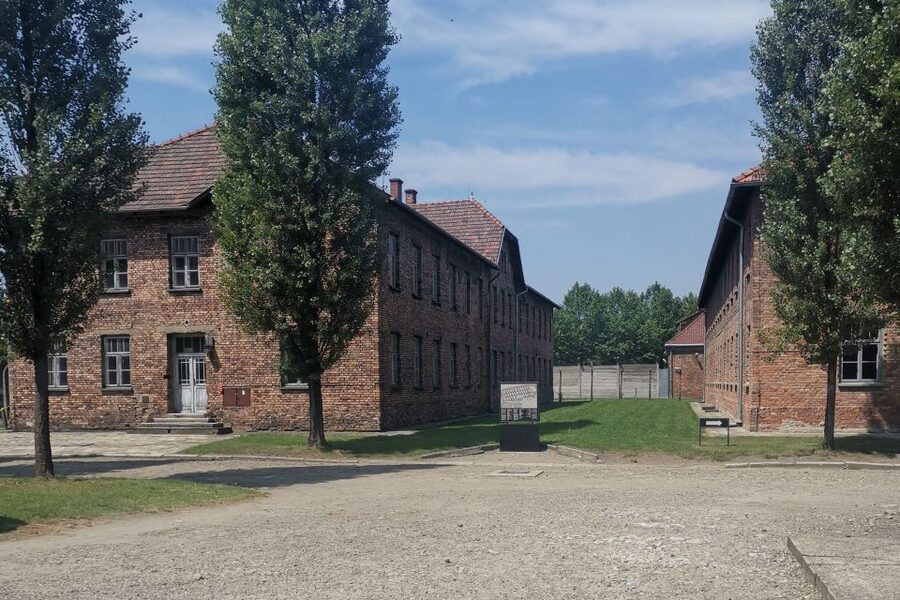
The first stop is Auschwitz I, the former main camp. Before it became a concentration camp, the site was used as barracks for the Polish military. That earlier use helps explain the brick buildings and ordered layout you see on arrival.
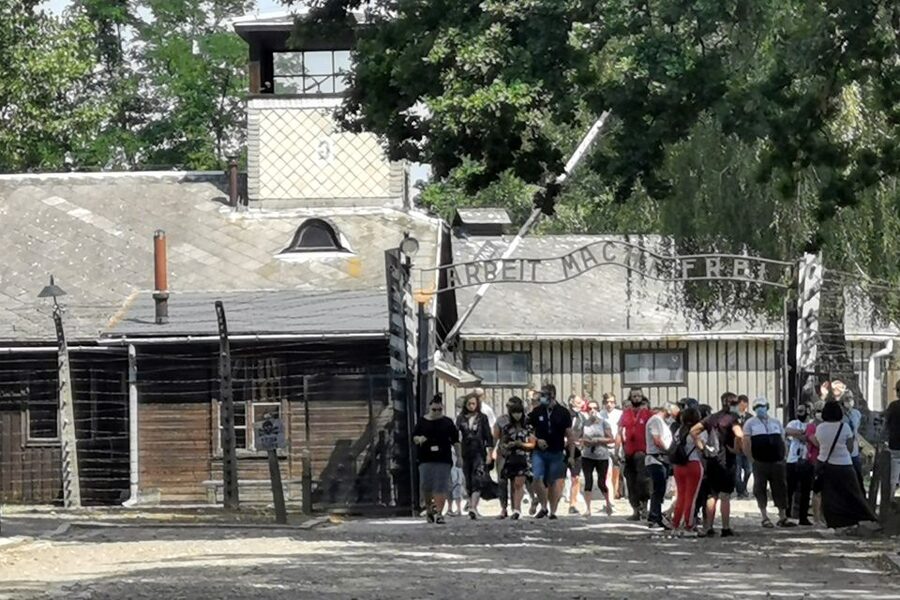
At the entrance, you pass beneath the well-known gate bearing Arbeit macht frei. The phrase is deeply associated with Auschwitz, but the important point is not the slogan itself. It is the cruel lie it represented, suggesting that forced labor offered a path to freedom when the camp system was designed to imprison and destroy people.
The guide provides the background needed to understand how the camp was established and how its role changed. You learn how Auschwitz functioned within the wider Nazi camp system and why it became such a central site of persecution and murder.
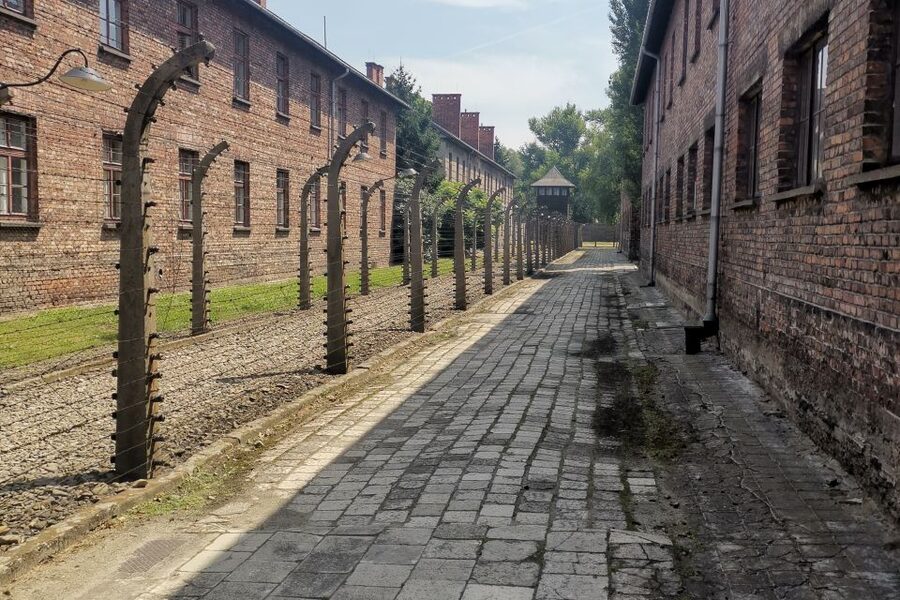
This part of the visit is relatively structured. You move through former prisoner blocks, many of which now contain exhibitions. The buildings give the experience a close, human scale. Instead of looking across a vast field, you enter rooms where records and belongings make the victims more than distant figures in a history book.
Prisoner blocks and the objects left behind
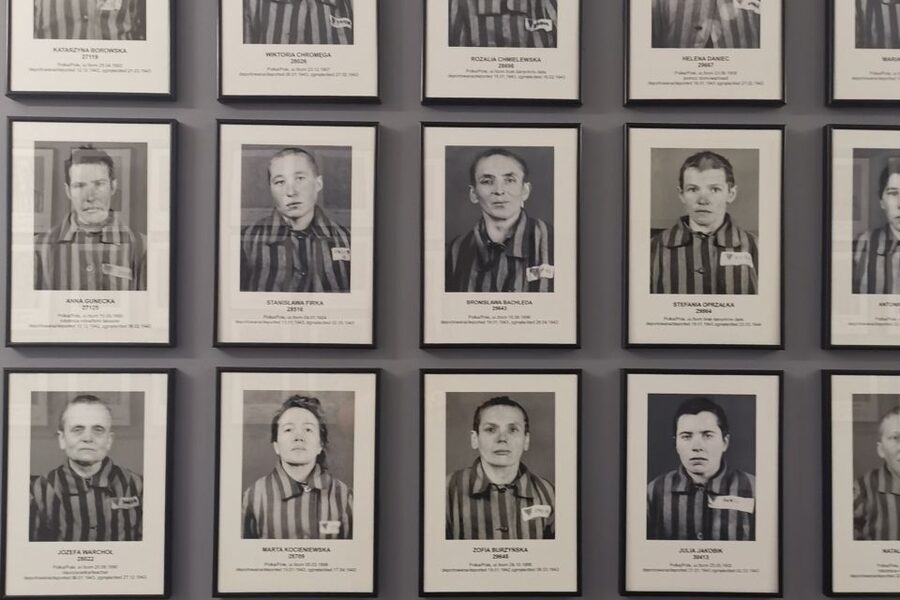
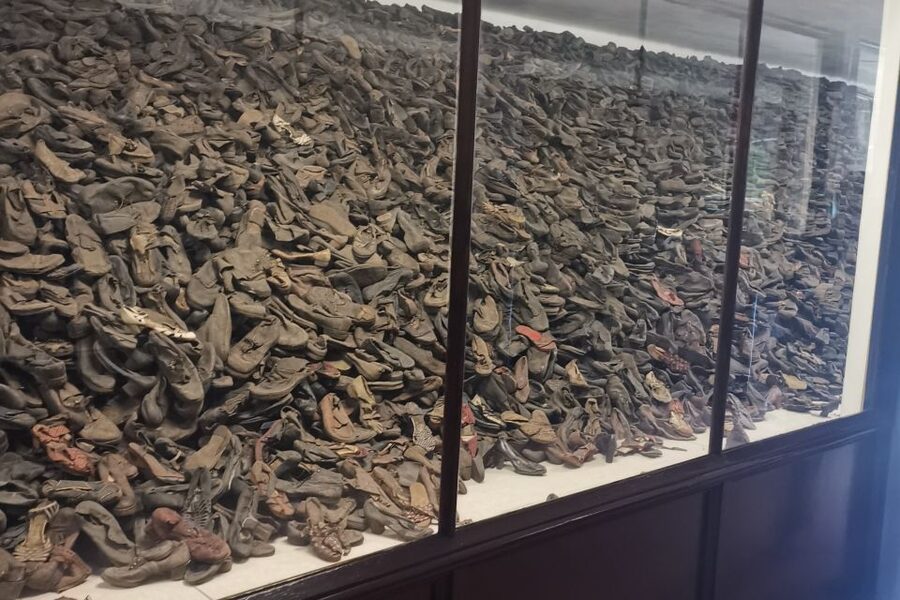
The exhibitions inside the blocks contain photographs, documents, shoes, suitcases, glasses, and other personal effects. These objects are difficult to see, precisely because they are so ordinary.
A suitcase suggests a person expecting to travel. A pair of glasses belonged to someone who needed them to read or see. Shoes point to daily life, work, family, and movement. In the camp, such items were stripped from people, sorted, and stored. Today, they show the scale of the crime while also reminding you that every number represented an individual.
I value this part of the visit because it corrects the distance created by statistics. You may already know the broad facts of the Holocaust, but personal belongings force your attention toward the people who carried them. The objects are not props. They are evidence.
The indoor exhibitions also make this section of the tour useful in bad weather. You still need comfortable shoes and suitable clothing because much of the day involves walking outside, but the blocks provide time indoors as you move from room to room.
Flash photography is not allowed. That rule is appropriate here, and you should treat it as part of the site’s tone. Put the camera away when the displays require your full attention.
More day trips around the world:
- Tuscany Day Trip from Florence: Siena, San Gimignano, Pisa and Lunch at a Winery
★ 5.0 · 21,634 reviews - From Amsterdam: Zaanse Schans, Volendam & Marken Day Trip
★ 4.4 · 18,501 reviews - From Munich: Neuschwanstein & Linderhof Castle Full-Day Trip
★ 4.6 · 14,646 reviews - Lisbon: Pena Palace, Sintra, Cabo da Roca, & Cascais Daytrip
★ 4.7 · 9,981 reviews
The short transfer to Birkenau
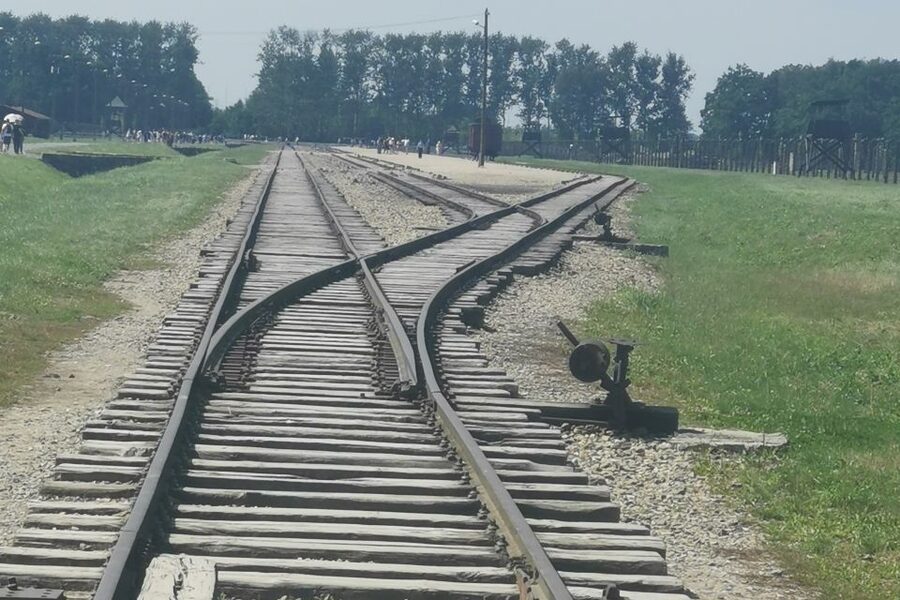
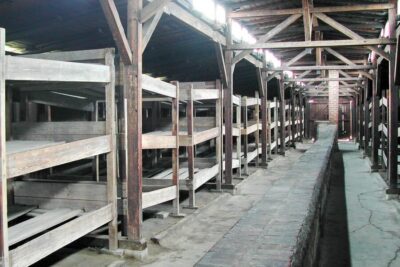
After Auschwitz I, you travel a short distance to Birkenau, also known as Auschwitz II. The change in scale is striking. Auschwitz I feels enclosed by its buildings. Birkenau opens into a much larger area, with long lines of barracks, broad paths, fences, and memorial spaces.
This is where the camp system’s size becomes easier to grasp. The open setting can feel empty, but that emptiness is part of the experience. The remains and layout show how people were brought into the camp, separated, housed, controlled, and sent to different parts of the complex.
The site can also feel exposed, especially in cold or unsettled weather. One February visit was described as particularly cold, and the conditions made the hardship of camp life easier to imagine, though no modern visit can match what prisoners endured. Do not treat poor weather as a feature, but do prepare for it. Comfortable shoes are required, and warm layers are sensible in colder months.
Gas chambers, crematoria, and memorial spaces
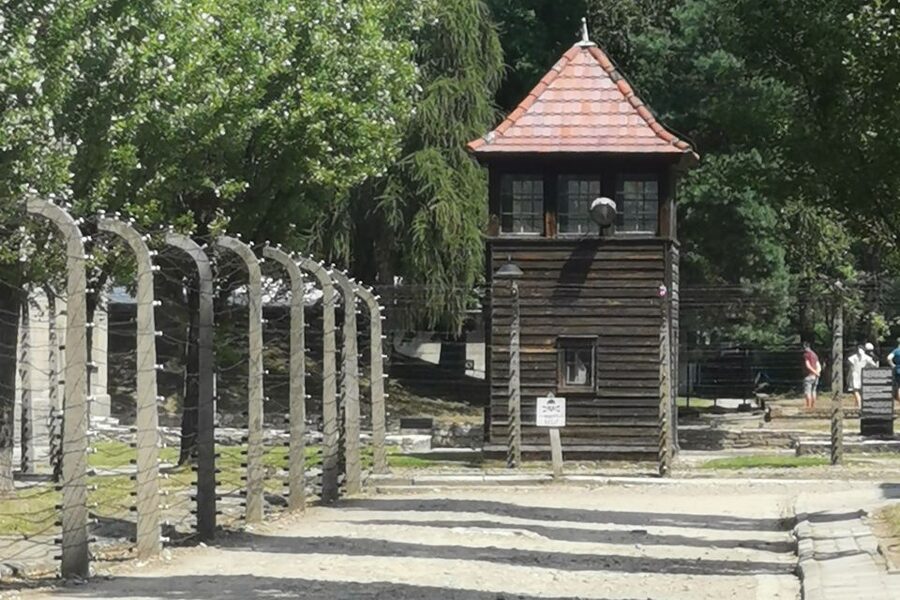
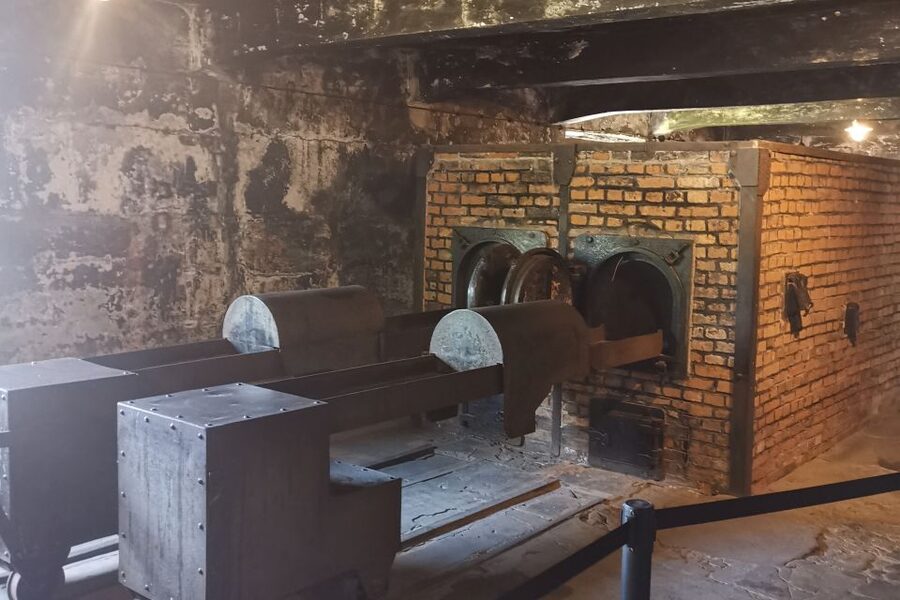
At Birkenau, the route includes the remains of gas chambers and crematoria, as well as the memorials built around the complex. These are not places to rush through. Your guide explains the role these facilities played, then gives you room to take in what you are seeing.
The remains are stark. In some areas, you may find foundations, ruins, or fragments rather than complete buildings. That does not make the site less important. The destruction of facilities at the end of the war is itself part of the story, and the surviving layout helps show how the killing process was organized.
The memorial spaces provide time to pause rather than simply move on to the next stop. You can reflect on the people murdered here and on the way the site has been preserved for education. A good tour does not fill every silence with facts. This experience appears designed to leave room for that silence.
You should also know that the visit can be emotionally demanding. Families, children, and older visitors may respond in different ways. The tour is best for anyone ready to deal with difficult historical material in a respectful setting, not for someone seeking a casual day out from Krakow.
What about Monowitz?
The highlights for this experience refer to gaining insight into daily survival at Monowitz, also called Auschwitz III. However, the described route specifically takes you to Auschwitz I and Birkenau, with no separate Monowitz stop listed.
That distinction matters if Monowitz is a priority for you. Ask for confirmation before booking if you want to visit that camp site itself. Based on the route details available, you should expect the two main sites rather than a guaranteed visit to Monowitz.
Italian guidance and the value of the included service
The live tour guide is Italian-speaking, and an Italian audio guide is also offered as an option. That makes this outing a strong fit if you want the historical explanation in Italian rather than relying on English material or reading everything alone.
The guide covers the origins of the camps, the purpose of each area, and the daily realities of prisoners. This context is especially useful at Birkenau, where the size of the grounds can make it hard to know what you are looking at without help.
On-site assistance is included as well. That may sound minor, but it helps on a day with timed admission, security rules, two separate locations, and a return transfer. The transport team also takes attendance and checks on late arrivals, which adds a useful layer of organization.
No food or drinks are included. Plan to eat before departure or bring only what is allowed by the site rules. Large bags and oversized luggage are not permitted, so pack lightly. Pets are not allowed except for assistance dogs, and smoking, alcohol, and drugs are forbidden.
Is $83 a fair price?
At about $83 per person, the tour offers solid value if you want the whole day arranged from Krakow. The fee includes entry tickets, private transportation, a guided tour, and on-site assistance. You avoid arranging the long transfer yourself and gain an Italian-speaking guide to explain the sites.
The value is strongest for first-time visitors who want a clear plan. You are not simply dropped at Auschwitz and told to find your way around. The guide connects the buildings, objects, and camp functions, which can make a major difference at a place where the subject matter is too important for guesswork.
The price may feel less attractive if you prefer to travel independently, spend a full day at one site, or choose your own departure time. The seven-hour schedule has to balance transport with two large memorial sites. It is efficient, but it cannot provide unlimited time in every room or at every memorial.
Booking two days ahead may cost more, so reserve earlier if your dates are fixed. You can cancel up to 24 hours before the trip for a full refund, and the reserve-now-pay-later option lets you hold a place without paying at once.
Who should choose this Auschwitz day trip?
I would choose this tour if you are staying in Krakow, want Italian-language guidance, and prefer a planned day with transport included. It is also a good match if you value a morning departure and want the chance to enter Auschwitz I early, when lines may be shorter.
The tour suits solo visitors and couples who do not want to manage the journey alone. It also works for families with older children who can handle the subject matter and walking. Young children may find the exhibitions and atmosphere difficult, so think carefully about their age and temperament.
You should skip this option if you want a light cultural outing, a flexible schedule, or a trip built around food and sightseeing. Auschwitz-Birkenau demands respect and concentration. Give it the time and emotional space it deserves.
Should you book it?
Book this experience if you want a well-organized visit to Auschwitz and Birkenau from Krakow, need Italian guidance, and value a comfortable transfer with clear communication. The strongest points are the detailed exhibitions, the visit to both main camp sites, the included entry and transport, and the careful pickup system.
Before paying, confirm the exact departure time and ask specifically about Monowitz if that site matters to you. Bring your passport or ID card, wear comfortable shoes, keep luggage small, and prepare for a solemn day. For many people, this is a visit they feel they should make at least once, but it is best approached as remembrance and education, not ordinary tourism.
FAQ
How long does the Auschwitz-Birkenau tour from Krakow last?
The full experience lasts about seven hours, including transportation from Krakow, the visits to Auschwitz and Birkenau, and the return journey.
How far is Auschwitz from Krakow?
The drive from Krakow to the former main camp at Auschwitz is about 45 kilometers.
Is transportation included?
Yes. Private transportation from Krakow is included, along with on-site assistance.
Are entry tickets included?
Yes. Entry tickets to the camp complex are included in the tour price.
What language is the tour conducted in?
The live tour guide speaks Italian. An optional Italian audio guide is also available.
When will I learn the pickup time?
The exact departure time is sent through WhatsApp one day before the visit, by 6:30 p.m. You also receive a photo of the pickup vehicle.
Can I cancel for a full refund?
Yes. You can cancel up to 24 hours in advance for a full refund.
Do I need to bring identification?
Yes. You should bring your passport or ID card.
Can I bring a large bag or suitcase?
No. Oversized luggage, luggage, and large bags are not allowed. Pack lightly.
Are food and drinks included?
No. Food and drinks are not included in the tour price.
New day trips around the world
- From La Paz: Day Trip to Chacaltaya and Moon Valley★ 4.4 · 65 reviews
- From Kuala Lumpur: Kuala Gandah Elephant Sanctuary Day Trip★ 4.6 · 64 reviews
- From La Paz: 4-Day Trip to San Pedro de Atacama w/Salt Flats★ 4.2 · 109 reviews
- From Kuala Lumpur: Genting Highlands Day Trip with Cable Car★ 4.4 · 64 reviews
- From Kuala Lumpur: Private Genting Highlands Day Trip★ 4.4 · 67 reviews
- From Kuala Lumpur: Colmar Tropicale and Batu Caves Day Trip★ 4.2 · 40 reviews
- From Kuala Lumpur: Cameron Highlands Day Trip with Transfers★ 4.0 · 24 reviews
- From Krakow: Wieliczka Salt Mine Half-Day Trip with Pickup★ 4.5 · 140 reviews
Day Trips from Krakow, compared.
Krakow: Auschwitz-Birkenau Day Trip with Tour Leader
Read our review →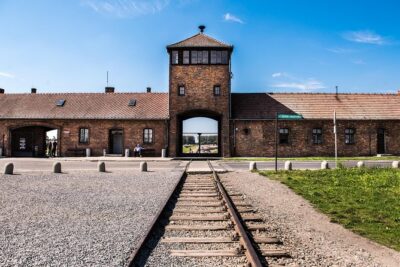
Day Trip: Auschwitz-Birkenau and Wieliczka Salt Mine from Krakow
Read our review →
Krakow: Zakopane, Funicular, Cheese, and Highland Day Trip
Read our review →
Krakow to Zakopane: Funicular, Tasting and Thermal Baths Day Trip
Read our review →
Krakow: Zakopane, Gubałówka, and Thermal Baths Day Trip
Read our review →
Dunajec River Gorge and Zakopane: Full-Day Trip from Krakow
Read our review →This day trip also appears in