
Review · KRAKOW
Krakow: Auschwitz-Birkenau Day Trip with Tour Leader
Auschwitz and Birkenau are not ordinary sightseeing stops. They are places of evidence, grief, and remembrance, where barracks, railway tracks, personal belongings, and crematory ruins make the scale of Nazi murder impossible to treat as an abstract history lesson. This self-guided day trip from Krakow gives you time at both camps without making you arrange transport or museum entry yourself.
I like two things here. First, the price is modest at $37, especially with roundtrip transport and entry included. Second, the tour leaders take care of the practical work: pickup instructions, check-in, tickets, and timing. Leaders such as Marcel, Jacob, Miroslaw, Mary, and Lukas have been singled out for clear explanations and calm help.
The tradeoff is important: this is not a guided museum tour. You explore with a map and phone-based guide, and the time at Auschwitz I can feel tight. Long queues may also cut into your visit, particularly in busy seasons.
Key points to know before you book
- Both camps are included: You visit Auschwitz I and Auschwitz II-Birkenau, with roughly 1.5 to 2 hours at each site, depending on the day’s schedule.
- The tour leader stays with the logistics: Your leader handles transport and entry arrangements but normally does not lead the walking tour inside the camps.
- The phone guide matters: Bring a charged phone, since the multilingual guidebook is online rather than printed.
- Expect a full and emotional day: The advertised duration is eight hours, but some departures have taken closer to 11 or 12 hours because of queues and schedule changes.
- Auschwitz I is more detailed: The former barracks hold permanent exhibitions and many signs to read, so you may wish for more time there.
- Pack very lightly: Bags larger than 30 by 20 by 10 centimeters are not allowed inside the memorial grounds, and food and baby strollers are prohibited.
Why this day trip carries such weight
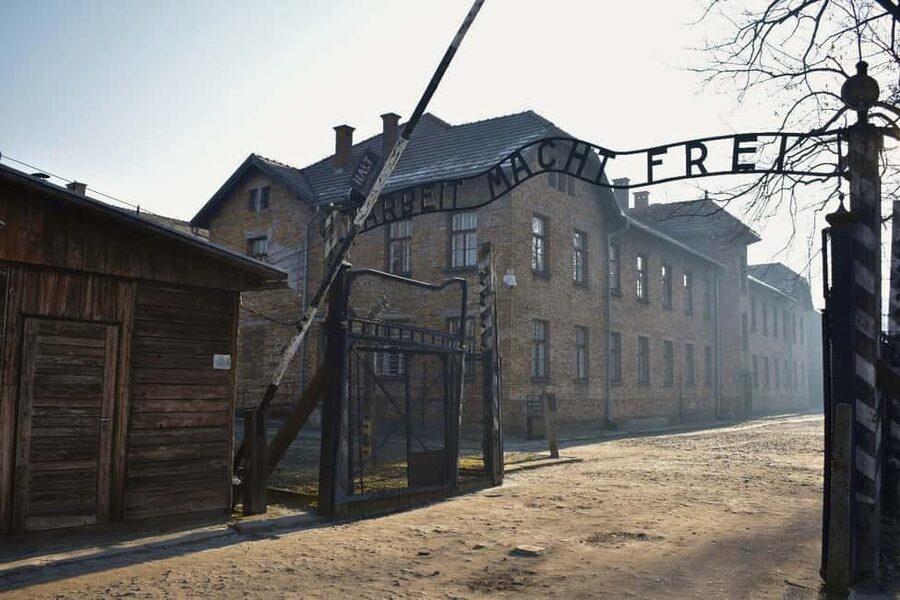
The Auschwitz complex was the largest Nazi concentration camp complex of World War II. More than 1.3 million people were killed at Auschwitz and Birkenau, and the memorial now preserves the physical remains of that system of imprisonment and mass murder.
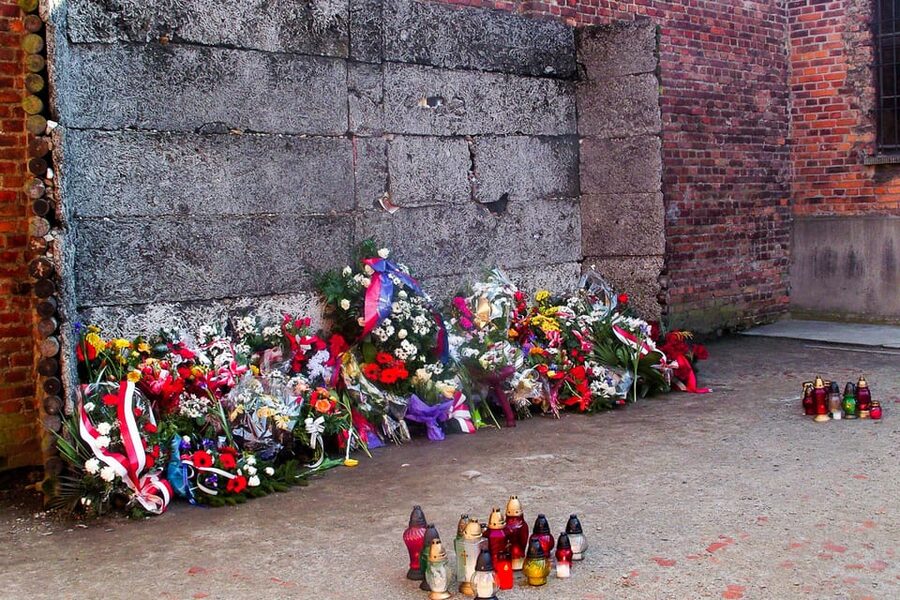
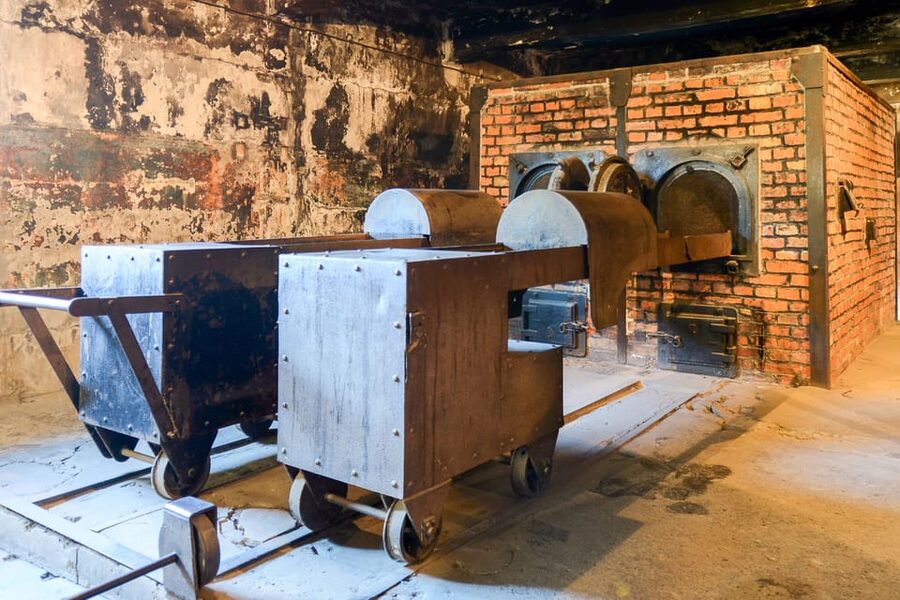
You will not simply see a museum building. You will move through former barracks, along the unloading ramp, past ruined crematories, and toward a monument dedicated to the camp’s final victims. The physical setting matters. It shows how a place of organized murder could operate through transport, registration, forced labor, starvation, imprisonment, and extermination.
The visit is painful, and that is part of its purpose. Give yourself room to think. This is not a place to rush through with a camera in hand, and the day can stay with you long after you return to Krakow.
More day trips around the world:
- Tuscany Day Trip from Florence: Siena, San Gimignano, Pisa and Lunch at a Winery
★ 5.0 · 21,634 reviews - From Amsterdam: Zaanse Schans, Volendam & Marken Day Trip
★ 4.4 · 18,501 reviews - From Munich: Neuschwanstein & Linderhof Castle Full-Day Trip
★ 4.6 · 14,646 reviews
From Krakow to Oświęcim by bus or minivan
The meeting point is the Kiss & Ride bus stop opposite the Mercure Hotel, at Pawia 18b. You should receive the vehicle details and pickup information in advance, but arrive early. One departure scheduled for 9:00 required an 8:45 arrival, and that sort of change can matter when museum entry times are fixed.
The drive to Oświęcim, the Polish name for Auschwitz, is listed at about 1.5 hours. Some journeys have taken closer to 1 hour and 40 minutes, and delays can occur before you even reach the memorial. Your tour leader remains onboard and explains the day’s sequence, meeting times, and entry procedure.
This is one of the strongest parts of the arrangement. Leaders such as Marcel and Jacob have been praised for sending clear messages, sharing pickup diagrams, and explaining each stage before the group arrives. That help is useful because the memorial’s entry system and timed access can be confusing if you are trying to manage them alone.
The transport is by bus or minivan. Comfort depends on the vehicle and group, but the service is designed for the long roundtrip from Krakow. Bring water for the journey, but remember that food is not allowed inside the memorial premises.
Auschwitz I: barracks, exhibitions, and limited time
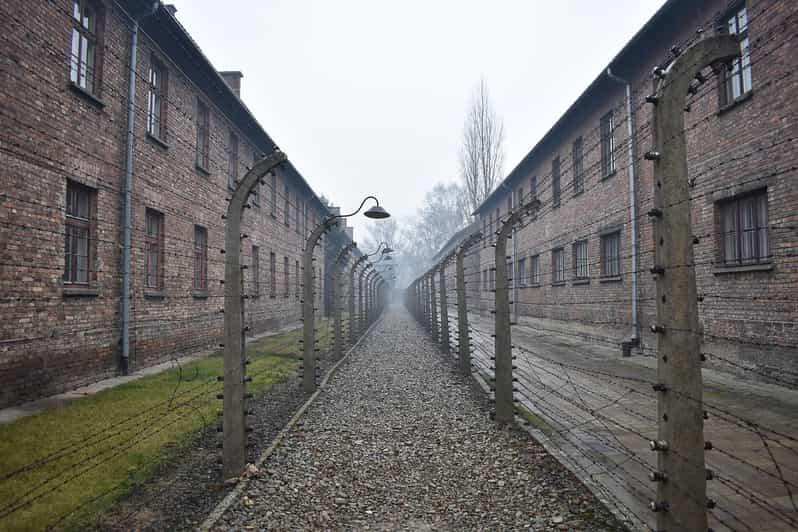
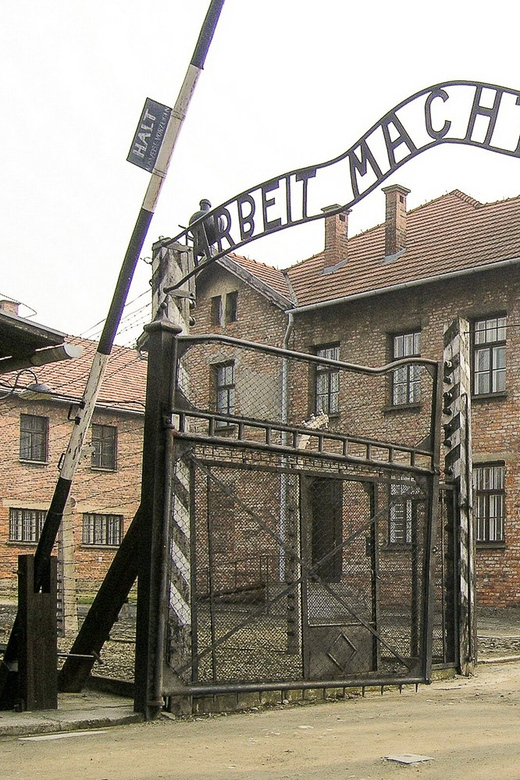
Auschwitz I is the original camp and usually the more detailed part of the visit. The route includes a visit of about 105 minutes, though the exact schedule can change according to the memorial’s visitor service.
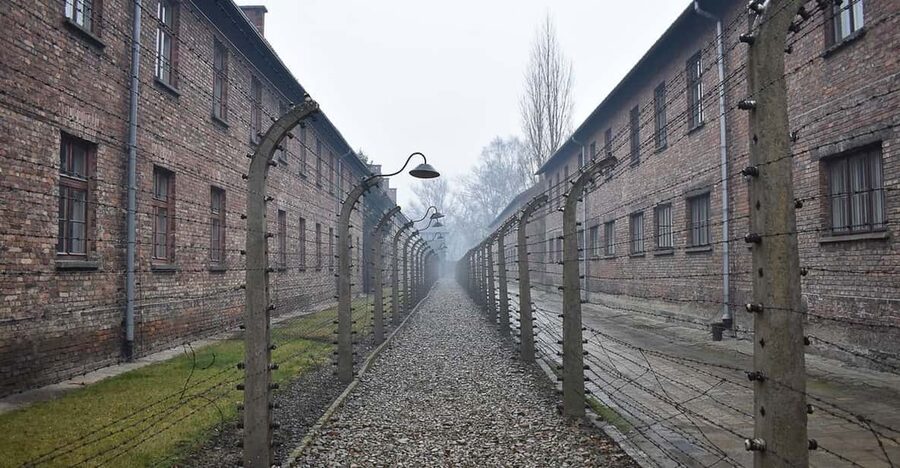
The former prisoner barracks contain permanent exhibitions about the camp, its prisoners, and the machinery of Nazi persecution. Here you encounter personal artifacts taken from people who arrived at Auschwitz: clothing, shoes, luggage, and other belongings. These objects are difficult to see, but they make the victims’ lives more immediate and individual.
The exhibitions also help explain living conditions and the camp system. You will learn about imprisonment, forced labor, hunger, disease, and the fate of people sent to Auschwitz. The setting is stark, and the displays do not need theatrical treatment to make their point.
This is where the self-guided format has both value and limits. You can move at your own pace and pause when you need to. If you want to read every panel, though, 105 minutes may feel short. Several people have wished for more time at Auschwitz I because there is more text and more material here than you can absorb quickly.
Use the map and phone guide before walking inside. It helps you understand where you are and what you are seeing without having to depend on your tour leader for a running explanation. Keep your volume low and your attention on the place.
The short transfer to Birkenau
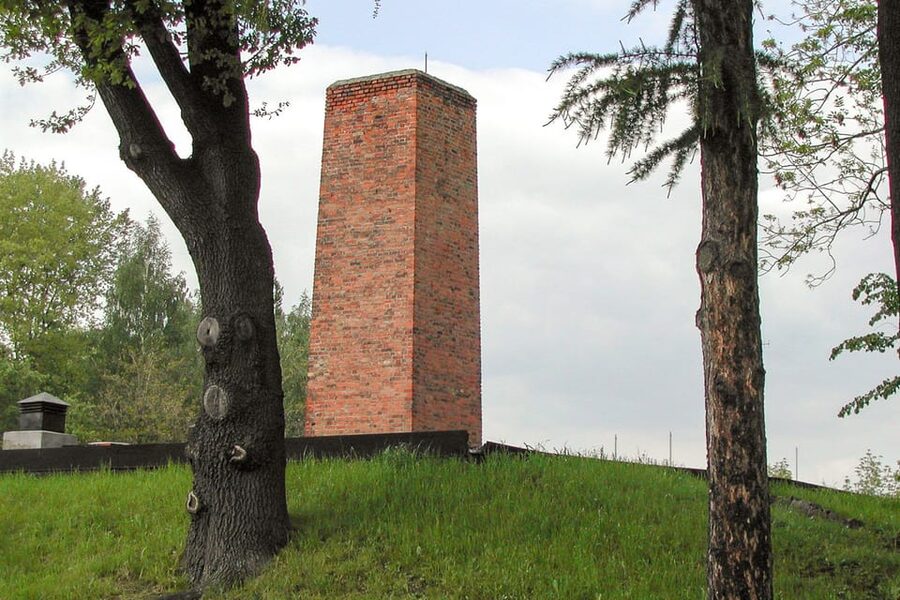
A short bus transfer connects Auschwitz I with Auschwitz II-Birkenau. The listed transfer is about 15 minutes, but the actual sequence depends on entry procedures, queues, and the memorial’s schedule.
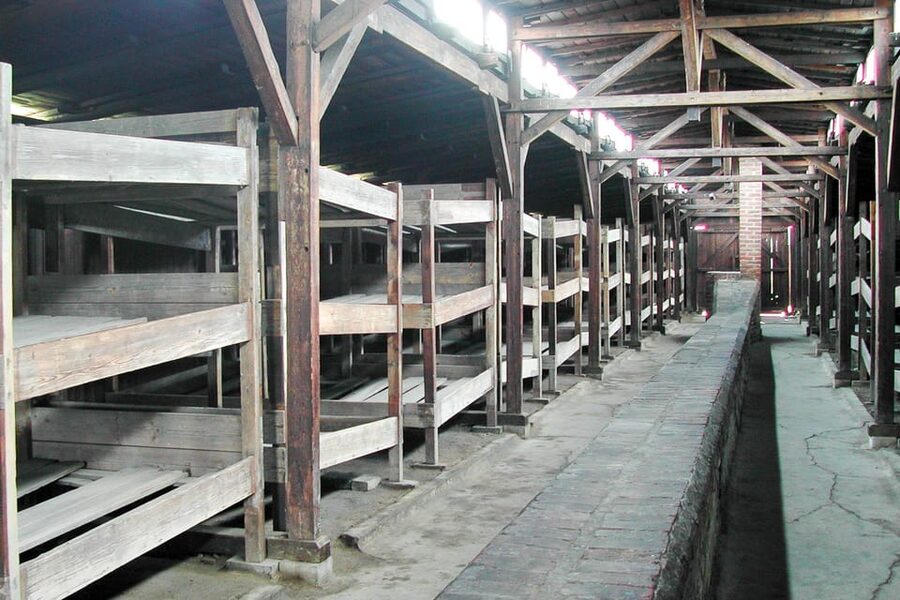
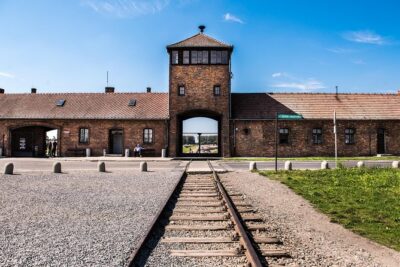
Birkenau is physically much larger and more open than Auschwitz I. The scale becomes clear as soon as you see the railway approach, the unloading ramp, and the long rows of barracks. This was the largest of more than 40 camps and sub-camps that formed the Auschwitz complex.
The open setting can make the visit feel different from Auschwitz I. There are fewer enclosed exhibitions, but the size of the site communicates the planned scale of the camp. You walk among remaining barracks and past the ruins of crematories, then reach the memorial dedicated to those murdered there.
The schedule allows around 1.5 hours at Birkenau. That is enough to see the key areas, but you will need to keep an eye on the meeting time. Some departures have offered closer to two hours, while the order of the camps can change by season. You may visit Birkenau first and Auschwitz I afterward.
The self-guided approach works well at Birkenau if you prefer quiet reflection rather than a continuous spoken tour. Your leader will normally explain where to go and when to return, but you should not expect the leader to walk through the camp with you as a museum educator.
Same base, another direction out:
- Lisbon: Pena Palace, Sintra, Cabo da Roca, & Cascais Daytrip
★ 4.7 · 9,981 reviews - Florence: Pisa, Siena and San Gimignano Day Trip with Lunch
★ 4.6 · 9,771 reviews - From Marrakech: Day Trip to Ouarzazate and Ait Benhaddou
★ 4.7 · 9,447 reviews - From Naples: Sorrento, Positano & Amalfi Coast – Small Group Tour
★ 5.0 · 8,643 reviews
What the tour leader does, and what the leader does not do
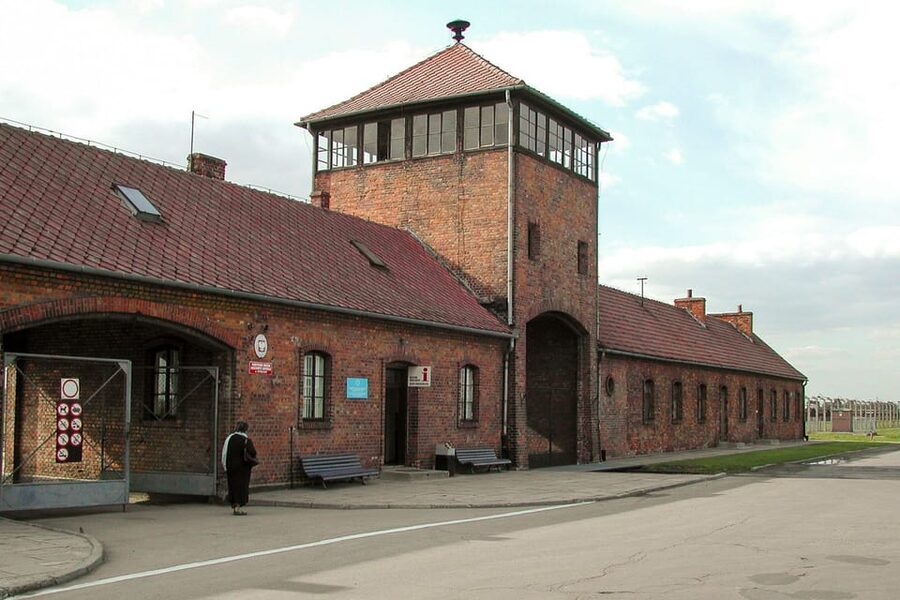
The wording tour leader matters. This person is responsible for the journey, not necessarily for a guided tour inside both camps.
Your leader helps with pickup, transport, entry passes, timing, and directions. They may offer background information on the drive, and some leaders provide much more personal support than the basic schedule requires. Marcel, Jacob, Miroslaw, Mary, Lukas, and Mirek have been praised for being helpful, organized, and clear.
One leader reportedly played an hour-long video during the drive, while another helped the group during a long ticket wait and offered extra nearby sights to fill the time. Those touches can make a difficult day feel more manageable.
Inside the memorial, however, you use the map and online guidebook independently. If you want a formal educator-led explanation at every stop, this is not the right product. If you prefer to read, pause, and move at your own speed, the format may suit you better.
Download or open the guide before entering. You will need your phone, and a charged battery is essential. The guide is multilingual, but the additional information provided for this activity is in English.
Queues, changing times, and the real length of the day
The advertised duration is eight hours, but you should not plan anything important afterward. Actual days have lasted 11 or 12 hours, especially when ticket queues were long or the museum schedule changed.
The biggest source of delay is not usually the drive. It is entry and ticket processing. One visitor faced a wait of about two hours, while another described roughly 1.5 hours collecting tickets before the visit began. These waits are not controlled entirely by the transport company, but they affect your day all the same.
The local partner tries to honor the time you select, yet the start time is approximate. The memorial’s visitor service controls the pace and duration of the visits. That means you should keep the entire day open and avoid booking a train, flight, dinner reservation, or other timed activity afterward.
The route may also change. Depending on the season and museum schedule, you could visit Birkenau before Auschwitz I. That is normal for this type of arrangement, not a sign that something has gone wrong.
Is $37 good value?
At $37 per person, this is a practical low-cost way to reach Auschwitz from Krakow. The fee includes roundtrip transport, a tour leader onboard, entry passes to Auschwitz I and Auschwitz II-Birkenau, and access to the online guidebook.
The value comes mainly from removing the hard logistics. You do not need to arrange the long drive, work out the camp connection, or handle the entry process without help. On a sensitive and tightly scheduled visit, that support has real worth.
The price does not buy a private guide or a full guided walk through the exhibitions. You are paying for transportation, coordination, entry, and a self-guided visit. If you want detailed commentary at every building, you may prefer a more expensive educator-led option.
There is also no food or drink included. The day can be long, and any break depends on the schedule. Bring what is permitted for the journey, but do not take food into the memorial grounds.
What to bring and what to leave behind
Bring your passport or ID card. Auschwitz-Birkenau requires the full name and contact details of every participant, and the name on your booking must match the ID you show at entry. A mismatch can lead to refusal.
Keep your luggage very small. The maximum permitted size inside the premises is 30 by 20 by 10 centimeters. Large suitcases are not suitable for this excursion.
A baby stroller is not allowed, and food is prohibited on the memorial premises. Wear practical shoes, since you will walk between buildings and across the Birkenau site. The information provided does not promise seating throughout the route, so anyone with a back or mobility problem should think carefully before booking.
Most importantly, carry your phone and make sure it has enough charge for the online guide. A portable charger would be sensible, although one is not supplied.
Who will appreciate this format most?
I would choose this trip if you are staying in Krakow and want the simplest way to reach both camps without paying for a private vehicle. It suits people who can manage a full day, accept a flexible start time, and are comfortable learning from a written or online guide.
It also suits independent visitors. You can spend more time with a particular exhibition, pause when the material becomes difficult, and avoid being tied to a guide’s continuous commentary.
I would hesitate if you have limited time in Krakow, a strict evening booking, or mobility concerns. I would also look elsewhere if your priority is a fully guided historical presentation inside the camps. Auschwitz I can feel rushed, especially for anyone who reads every panel.
The emotional side matters just as much as the logistics. You should be ready for a serious, upsetting visit. The camps are places of remembrance, not casual sightseeing, and the day may feel tiring even without the long drive.
Should you book this Auschwitz day trip?
Book it if you want reliable transport, entry to both sites, and a low-cost self-guided format. The tour leaders appear to be the real strength of the arrangement, particularly when they send clear pickup details, manage queues, and explain the day’s changing schedule.
Do not book it expecting a personal museum educator. You will tour Auschwitz I and Birkenau with a map and phone guide, while the leader handles the journey and practical details.
For the best experience, keep your whole day free, arrive early at the Kiss & Ride stop, carry matching photo ID, pack only a small bag, and leave time for delays. At this price, it offers useful structure and good value, as long as you understand that the visit itself remains self-guided and emotionally demanding.
FAQ
How long does the Auschwitz day trip from Krakow last?
The advertised duration is eight hours, but the day can take 11 or 12 hours if queues, entry procedures, or schedule changes cause delays. Keep your evening free.
Where do I meet the bus or minivan?
Meet at the Kiss & Ride bus stop opposite the Mercure Hotel, at Pawia 18b in Krakow. Arrive early because the actual pickup time may be earlier than the selected time.
Does the tour visit both Auschwitz I and Birkenau?
Yes. The trip includes entry to Auschwitz I and Auschwitz II-Birkenau. The order may change depending on the season and the memorial’s visitor schedule.
Is this a guided tour inside the camps?
No. This is a self-guided visit. You receive a map and access to a multilingual online guidebook on your phone, while the tour leader handles transport and entry arrangements.
How much time do I get at each camp?
The schedule usually allows about 105 minutes at Auschwitz I and around 1.5 hours at Birkenau. The memorial’s visitor service controls the exact pace and duration.
What identification do I need?
Bring your passport or ID card. The name on your identification must match the full name entered during booking, or entry may be refused.
Can I bring a large bag or suitcase?
No. The maximum luggage size allowed inside the memorial is 30 by 20 by 10 centimeters. Baby strollers are also not allowed.
Is food included?
No. Food and drinks are not included in the activity. Food is also not allowed inside the memorial premises.
New day trips around the world
- Beijing: Badaling Ancient Great Wall of China Day Trips★ 4.8 · 208 reviews
- Barcelona: Montserrat Monastery and Natural Park Day Trip★ 4.6 · 755 reviews
- Bari: Alberobello and Polignano a Mare Half-Day Trip★ 4.8 · 37 reviews
- Bari: Matera Day Trip★ 4.6 · 65 reviews
- Montserrat & Cava Wineries Day Trip from Barcelona w/ Pickup★ 4.6 · 218 reviews
- Bangkok: Maeklong Railway & Amphawa Floating Market Day Trip★ 4.3 · 675 reviews
- Barcelona: Walking and Horse Riding Day-Trip in Montserrat★ 4.8 · 40 reviews
- Bali: Ubud Waterfall, Village and Pool Club Day Trip★ 4.7 · 45 reviews
Day Trips from Krakow, compared.
Day Trip: Auschwitz-Birkenau and Wieliczka Salt Mine from Krakow
Read our review →
Krakow: Zakopane, Funicular, Cheese, and Highland Day Trip
Read our review →
Krakow to Zakopane: Funicular, Tasting and Thermal Baths Day Trip
Read our review →
Krakow: Zakopane, Gubałówka, and Thermal Baths Day Trip
Read our review →This day trip also appears in